Top 5 Benefits of Plastic Blow Moulding Machines Explained?
Plastic Blow Moulding Machines play a pivotal role in the manufacturing landscape. These machines are essential for producing a variety of plastic products, from containers to automotive parts. According to a report by MarketsandMarkets, the global plastic blow moulding market is projected to reach $30 billion by 2025, signifying its growing importance in industrial applications.
The advantages of using Plastic Blow Moulding Machines extend beyond cost-effectiveness. They offer superior design flexibility, allowing for complex shapes that traditional methods cannot achieve. Moreover, these machines enable high-speed production cycles, which significantly boosts efficiency. Industry experts note that companies that invest in advanced blow moulding technology often see a reduction in production costs by up to 25%.
Despite these benefits, it is essential to consider potential drawbacks. Initial capital investment can be high, and maintenance requires expertise. Companies must weigh these factors against the long-term advantages. As the demand for plastic products continues to rise, understanding the benefits of Plastic Blow Moulding Machines becomes crucial for manufacturers aiming to stay competitive.
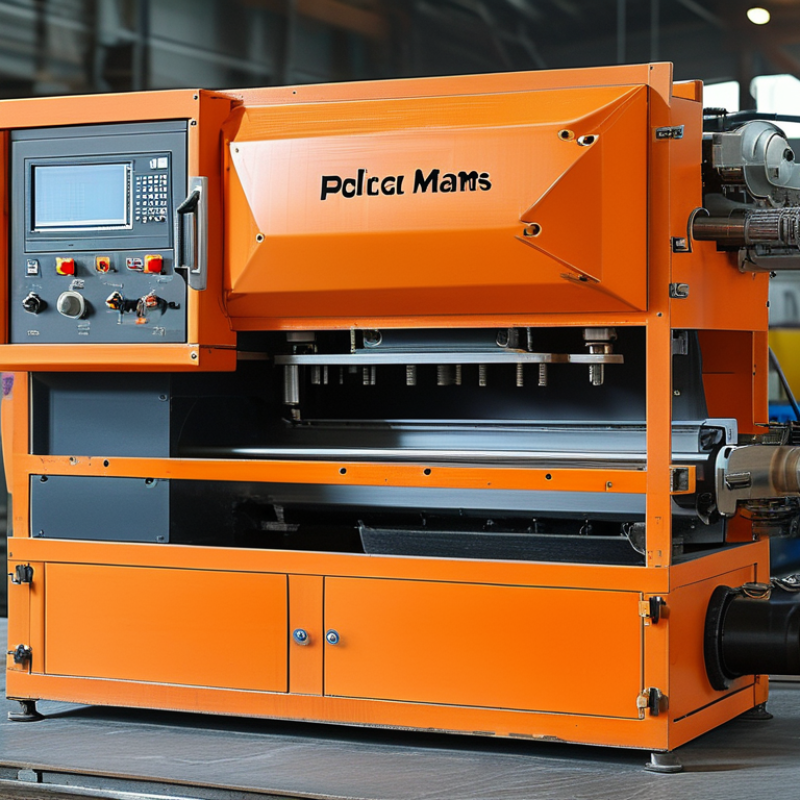
Overview of Plastic Blow Moulding Process and Machinery
Plastic blow moulding is a widely used process for creating hollow plastic parts. This method involves three main steps: heating plastic, forming it into a preform, and then inflating it in a mould. The machinery used in this process is crucial for efficiency and precision. The blow moulding machine heats plastic resin until it becomes pliable. This offers the ability to form complex shapes easily.
The consistency of the shape and thickness is vital. Operators must monitor the machinery's performance closely. Any fluctuations in temperature can lead to defects. Moreover, understanding the mechanics of the machines is essential. It can take time to become proficient, and mistakes in setup often result in wasted materials. This aspect can be frustrating but is part of the learning curve.
Efficient blow moulding machines contribute to reduced cycle times. They enable manufacturers to produce items quickly and cost-effectively. However, investing in high-quality equipment requires thoughtful consideration. Not all machines perform equally, and it’s important to assess long-term needs. Balancing performance and budget can be challenging, but it’s crucial for success in this industry.
Enhanced Production Efficiency of Blow Moulding Machines
The production efficiency of blow moulding machines significantly influences the overall performance in manufacturing. Recent industry reports indicate that these machines can achieve cycle times as low as 30 seconds for specific applications. This rapid production rate helps reduce overall manufacturing costs and increases output. Enhanced production efficiency is vital, especially in sectors like packaging, where speed can determine market competitiveness.
It's worth noting that despite the improved efficiency, maintaining quality is essential. A focus solely on speed may lead to defects in the final product. Manufacturers report that a balance between speed and quality can be tricky but is crucial. Regular maintenance schedules can help ensure machines function optimally, preventing costly downtimes and ensuring consistent product quality.
**Tips:** Implementing a robust quality control system can enhance both efficiency and output. Training operators on best practices improves machine handling. Exploring automated monitoring systems may also assist in identifying inefficiencies early on, maximizing production capabilities.
Top 5 Benefits of Plastic Blow Moulding Machines
This chart highlights the top five benefits of using plastic blow moulding machines, rated on a scale of 1 to 10 based on factors such as production speed, cost efficiency, product quality, design flexibility, and energy efficiency.
Cost-Effectiveness of Using Plastic Blow Moulding Technology
Plastic blow moulding technology offers significant cost-effectiveness for manufacturers. This process produces hollow plastic parts efficiently, reducing material waste. With less raw material needed, companies can save on expenses. The equipment's durability contributes to a longer lifespan. This means fewer replacements are necessary, further lowering costs.
Tips for optimizing cost savings include regular maintenance of machines. A well-maintained machine operates more effectively and prevents unexpected downtime. Implementation of training programs can reduce errors in production. Skilled operators lead to higher efficiency and quality, improving overall productivity.
Investing in plastic blow moulding can streamline operations considerably. However, companies must assess initial setup costs. Sometimes, purchasing equipment requires a large upfront investment. While the long-term savings can be appealing, a thorough financial analysis is essential. It's vital to weigh potential risks against anticipated savings before diving in.
Top 5 Benefits of Plastic Blow Moulding Machines Explained
| Benefit | Description | Cost Savings | Production Efficiency | Environmental Impact |
| High Production Rate | Plastic blow moulding machines can produce large quantities of products in a short time. | Reduces unit cost due to mass production. | Increases throughput without compromising quality. | Less energy consumption per unit produced. |
| Versatile Design Capability | Allows for the creation of complex shapes and sizes. | Minimizes material waste and related costs. | Flexible to accommodate various product designs. | Encourages recycling and reusing of materials. |
| Consistent Quality Products | Ensures uniform thickness and quality across batches. | Reduces costs associated with defects and rework. | Improves reliability of the manufacturing process. | Lower defect rates contribute to sustainability. |
| Lower Labor Costs | Automation minimizes the need for manual labor. | Cuts down expenses on labor for production. | Efficiency gains through reduction of manual tasks. | Less human error contributes to sustainability goals. |
| Space Efficiency | Compact design requires less floor space. | Saves on overhead costs for facility space. | Allows for more efficient layout and workflow. | Less building footprint necessary, reducing environmental impact. |
Versatility in Product Design and Material Options
Plastic blow moulding machines offer remarkable versatility in product design and material options. These machines can create various shapes and sizes, making them ideal for different industries. From bottles to containers, the creative possibilities are endless. Manufacturers can choose diverse materials, including high-density polyethylene or polyvinyl chloride. This flexibility in selection meets specific functional requirements easily.
Customization plays a crucial role in product development. Designers can tweak dimensions to suit their needs while maintaining structural integrity. The option to mix materials allows for enhanced properties, like durability and flexibility. However, striking the right balance between material choice and design requirements can be challenging. It demands careful consideration and sometimes leads to unexpected outcomes.
The production process also impacts the final product. Speed and efficiency are paramount, yet compromises may occur in quality. Achieving the perfect finish can be tricky, as imperfections may arise during moulding. Continuous testing and adjustment become essential for consistency. Thus, while blow moulding presents excellent opportunities, navigating its complexities requires expertise and patience.
Sustainability Benefits of Modern Blow Moulding Techniques
Modern blow moulding techniques present significant sustainability benefits. These advancements not only optimize production efficiency but also minimize environmental impact. According to the Plastics Industry Association, blow moulding contributes to a reduction of 30-50% in energy consumption when compared to traditional manufacturing methods. This reduction is crucial as energy accounts for a large portion of the carbon footprint in plastic production.
Additionally, the materials used in blow moulding are increasingly sourced from recycled plastics. Recent studies indicate that using recycled materials can decrease overall plastic waste by up to 20% within production cycles. This practice not only conserves resources but also promotes a circular economy. However, challenges remain, as the quality of recycled materials can vary. It’s essential for manufacturers to invest in proper sorting and processing technologies to ensure the integrity of these materials.
Future innovations in blow moulding promise even greater eco-friendly outcomes. Enhanced polymer technologies aim to reduce reliance on fossil fuels. Yet, the industry must remain vigilant about the implications of these new materials. As we embrace these technologies, continuous assessment is critical to mitigate potential risks associated with their use.