

Best Conveyor Belt Rollers for Optimal Performance?
When it comes to conveyor systems, selecting high-quality conveyor belt rollers is crucial for efficiency. These rollers support the belt's weight, enabling smooth movement of materials in various industries. The wrong choice can lead to excessive downtime and increased maintenance costs.
Imagine a manufacturing plant where a malfunctioning roller disrupts the entire operation. This not only affects productivity but also increases stress on workers. It’s essential to understand the types of conveyor belt rollers available. Various materials and designs cater to different loads and environments.
Investing in the best conveyor belt rollers is more than a financial decision. It influences the overall performance of the system. Choosing rollers that endure wear and operate efficiently can enhance productivity. Yet, many overlook this aspect. A reflection on our choices can lead to better outcomes.
Understanding Conveyor Belt Rollers and Their Importance
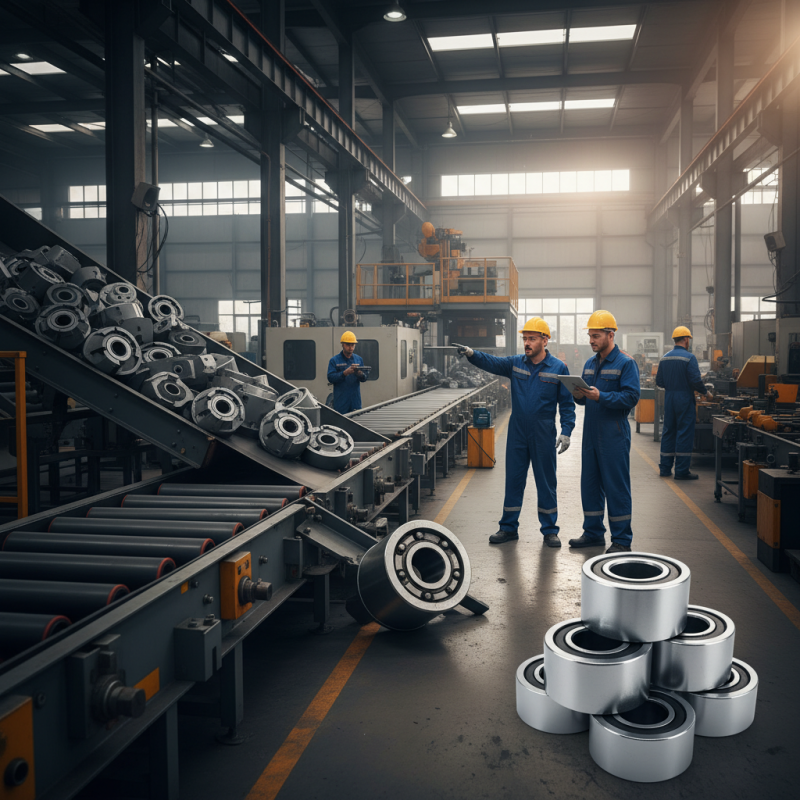
Conveyor belt rollers are essential components in industrial settings. They help transport materials efficiently. Understanding their design and function is crucial for optimal performance. Rollers support the belt and ensure smooth movement. They reduce friction, which prolongs the system's life. Properly maintained rollers can enhance productivity.
Different types of rollers serve various purposes. For instance, some are designed for heavy loads, while others cater to light materials. A mismatched roller can lead to increased wear and tear. It's not uncommon for companies to overlook this detail. In doing so, they may face unnecessary costs and downtime.
Regular inspection of conveyor belt rollers is vital. A roller might seem fine at first glance, but hidden issues can arise. Deterioration or misalignment can cause problems over time. This can lead to material spillage or conveyor belt slippage. Reflecting on these aspects can save resources and improve performance. Being proactive about maintenance is critical.
Types of Conveyor Belt Rollers for Various Applications
When selecting conveyor belt rollers, understanding the various types available is essential. Rollers come in different designs, each suited for specific applications. For instance, the standard conveyor roller is common in many settings. It's designed for general use, offering flexibility and efficiency.
In contrast, impact rollers are vital in high-load areas. They absorb shocks and reduce damage to both the conveyor belt and items being transported. Additionally, self-aligning rollers help maintain belt tracking. This feature prevents wear and keeps operations smooth.
Specialized rollers, like drum and return rollers, also play critical roles. Drum rollers drive the belt and are crucial in ensuring consistent movement. Meanwhile, return rollers support the belt on its return trip, reducing sagging. Selecting the right type can significantly influence performance. An incorrect choice can lead to increased wear and maintenance costs. It's worth considering the application and environment for optimal results. Investing time in this area is necessary for long-term efficiency.
Best Conveyor Belt Rollers for Optimal Performance
Key Features to Consider When Selecting Conveyor Belt Rollers
When selecting conveyor belt rollers, several features are crucial for optimal performance. Material composition matters. Steel, plastic, or rubber can affect durability and load capacity. For heavy loads, choose sturdy rollers that can handle pressure without bending. Each material has its pros and cons. For instance, steel rollers are tough but can rust, while plastic ones resist corrosion but might wear down faster.
Roller diameter influences belt tension and load distribution. A larger diameter often leads to smoother movement and less friction. However, it could also increase the height of the conveyor, requiring adjustments. Take your system's layout into account. Sizes and configurations should align with your operational needs.
Tips: Always check load ratings before making a purchase. Consider environmental factors like temperature and moisture. These can impact the longevity of your rollers. Performing regular inspections is wise. Look for signs of wear or misalignment. Addressing these issues early can save costly repairs later. Remember, choosing the right rollers is a balance of functionality and practicality. You want efficiency, not headaches.
Maintenance Tips for Ensuring Optimal Performance of Rollers
Conveyor belt rollers are crucial for efficiency in material handling systems. Regular maintenance can significantly enhance their performance. A study by the Conveyor Equipment Manufacturers Association (CEMA) indicates that proper maintenance can boost roller lifespan by up to 30%. This is a noteworthy impact for any operation.
One effective maintenance tip is to routinely check for wear and tear. Rollers should be examined every month. Look for signs such as surface damage or misalignment. If a roller is misaligned, it could cause unnecessary friction. This friction leads to energy loss. According to data from the Material Handling Industry of America (MHIA), misalignment can increase energy consumption by 15%.
Another aspect is lubrication. Keeping rollers adequately lubricated can reduce wear and improve efficiency. Use the right type of lubricant for the environment. Neglecting this can lead to increased noise and wear. A survey conducted by the International Conveying Association found that nearly 25% of companies overlook lubrication. This oversight can result in costly downtime. Simple changes in routine can lead to better performance and reduced costs.
Troubleshooting Common Issues with Conveyor Belt Rollers
Conveyor belt rollers are essential for smooth operations in various industries. However, they can face issues that disrupt productivity. Common problems include misalignment, wear and tear, and insufficient lubrication. Misalignment can cause the belt to drift, leading to potential damage. Industry data suggests that misaligned rollers can reduce equipment lifespan by up to 30%.
Another frequent issue is excessive wear. Regular wear can result in the roller's inability to support the belt effectively. It's crucial to monitor roller conditions. Regular inspections can help identify when rollers need replacement. Failure to do so can lead to costly downtime and repairs. A report from the Conveyor Equipment Manufacturers Association indicates that proactive maintenance can cut operational costs by 20%.
Lubrication also plays a vital role in roller performance. Insufficient lubrication can lead to overheating and premature failure. Many facilities overlook this simple yet important aspect. Identifying the right type of lubricant and maintaining proper levels is essential. Poor lubrication practices can result in roller failures. This can trigger a domino effect on the entire system. Operators should reassess their maintenance protocols regularly to ensure optimal performance.
Best Conveyor Belt Rollers for Optimal Performance
| Roller Type | Material | Weight Capacity (lbs) | Diameter (inches) | Common Issues |
|---|---|---|---|---|
| Standard Steel Roller | Steel | 500 | 6 | Rusting, Bearing Failure |
| Heavy-Duty Roller | Aluminum | 1000 | 10 | Cracks, Misalignment |
| Plastic Roller | Polyethylene | 300 | 4 | Deformation, Scraping |
| Rubber-Coated Roller | Steel with Rubber | 600 | 8 | Slipping, Worn Surface |
| Inclined Roller | Stainless Steel | 800 | 7 | Overheating, Imbalance |
