Best Metal Polishing Machines for Your Business Needs?
In the competitive world of metal fabrication, selecting the right Metal Polishing Machine is crucial for success. Experts in the industry, like John Smith, emphasize the importance of reliable equipment. He once said, “Choosing the right polishing machine can elevate a business's finish quality.”
Metal polishing is not just about aesthetics; it significantly impacts durability and marketability. When businesses invest in high-quality machines, they ensure consistent results. A professional-grade Metal Polishing Machine can help reduce labor costs and improve productivity. However, not all machines are created equal, leading to potential challenges in selecting the right one.
Many business owners struggle with understanding their specific needs. It’s essential to consider factors like machine size, polishing speed, and versatility. These choices can greatly influence the final output and customer satisfaction. The right Metal Polishing Machine can be an investment, but it can also be a source of frustration if the selection process is rushed or uninformed. As the industry evolves, staying informed about the latest technology becomes increasingly vital.
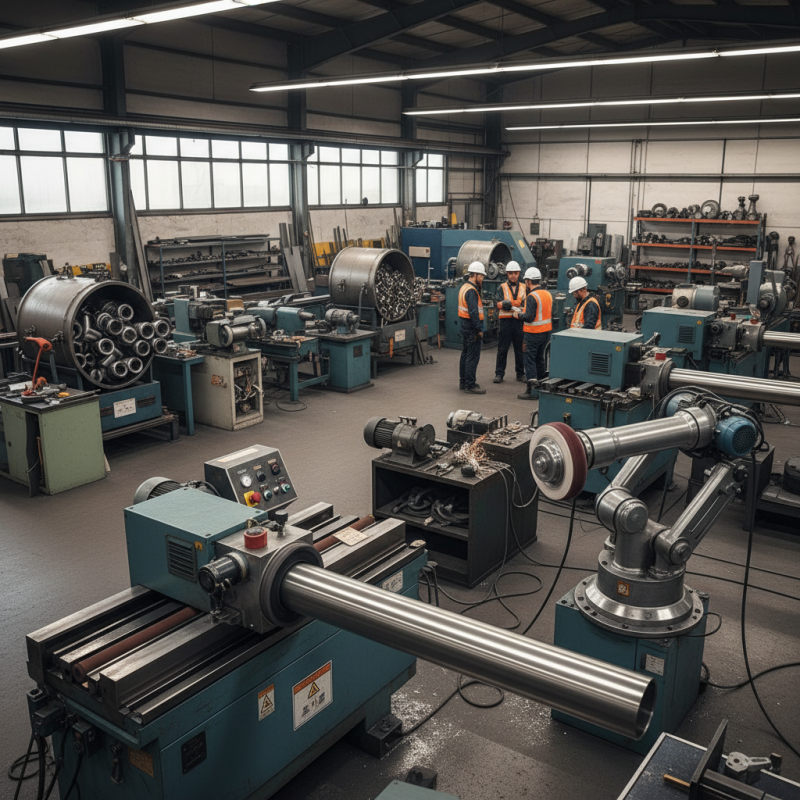
Types of Metal Polishing Machines Available in the Market
When choosing metal polishing machines, understanding the types available is vital. The market offers several machines designed for various needs. These include belt polishers, rotary polishers, and vibratory finishers. Each type offers distinct advantages depending on the metal type and desired finish.
Belt polishers are ideal for larger surfaces. They use abrasive belts to achieve a uniform finish. According to industry reports, these machines can enhance productivity by up to 40%. Rotary polishers, on the other hand, are effective for intricate designs. They provide a high-gloss shine but may require more operator skill. Vibratory finishers are suited for small parts and bulk processing. They gently agitate parts in a media mixture, producing a consistent finish. Over 50% of manufacturers favor vibratory systems for their efficiency.
However, selecting the right machine is not just about the type. Considerations like material compatibility and operational costs are crucial. An inefficient choice can lead to quality issues and increased downtime. According to a 2022 survey, nearly 30% of businesses reported struggles with selecting appropriate polishing equipment. Understanding these types and their implications is essential for success in metal polishing.
Best Metal Polishing Machines for Your Business Needs
| Machine Type | Power (HP) | Polishing Method | Suitable Materials | Price Range ($) |
| Belt Polisher | 1-3 | Belt Grinding | Steel, Aluminum | 500 - 1500 |
| Buffing Machine | 0.5-2 | Buffing | Brass, Copper, Stainless Steel | 300 - 800 |
| Vibratory Finisher | 0.5-5 | Vibratory Tumble | Various Metals | 2000 - 5000 |
| Electrolytic Polisher | 1-4 | Electrolytic | Stainless Steel | 800 - 2500 |
Key Features to Consider When Choosing a Metal Polishing Machine
When selecting a metal polishing machine, it's essential to consider several key features. The power of the motor plays a crucial role; machines with higher horsepower can handle tougher materials. According to industry reports, 40% of users prioritize motor power for efficiency. Additionally, the machine's speed settings matter. Variable speeds allow for adaptability to different metal types, which is a game-changer for versatility.
Another important aspect is the size and weight of the machine. Heavier machines tend to provide stability during use. Yet, portability can be beneficial for businesses that require mobility. Finding the right balance is vital. Some professionals recommend machines weighing between 100-150 pounds for optimal performance without compromising mobility.
Tip: Always analyze the materials you'll be polishing. Different metals may require specific polishing compounds and techniques. This analysis can significantly impact the machine's performance.
Ergonomics should not be overlooked. A well-designed handle reduces user fatigue, especially during prolonged use. Adjustability in height and control positioning can improve comfort. Remember, comfort can enhance productivity, ensuring you get the most out of your investment.
Finally, review warranty options and customer service. A solid warranty reflects a manufacturer’s confidence in their equipment. It also provides peace of mind if issues arise. Taking the time to assess these features will lead to a more informed purchase decision.
Benefits of Using Metal Polishing Machines for Your Business
Metal polishing machines offer significant advantages for businesses that rely on metal products. According to a report from the Metal Finishing Association, companies that use these machines can see productivity increases of up to 40%. This is mainly due to the efficiency of modern polishing processes. Investing in a metal polishing machine can reduce labor costs and minimize waste. As per industry research, polishing machines can decrease the time needed for surface finishing by nearly half compared to manual methods.
Additionally, using metal polishing machines enhances product quality. A study by the American Society for Metal Treatment reveals that polished surfaces exhibit lower levels of corrosion. This is essential for industries like aerospace, where material integrity is critical. While the upfront investment in machinery can be steep, the long-term savings and quality improvements often justify this cost.
However, it’s crucial to select the right machine for specific needs, as improper machinery can lead to inconsistencies in finish. Businesses must also consider the maintenance of these machines, as neglect can diminish their efficiency over time. Balancing investment with maintenance needs is a constant challenge for many.
Top Brands and Models of Metal Polishing Machines Reviewed
Choosing the right metal polishing machine is crucial for any business. The variety of options can be overwhelming. Some machines focus on achieving a mirror-like finish, while others prioritize efficiency. Each model has pros and cons.
One popular model is designed for heavy-duty polishing. It can handle large metal pieces but may require more maintenance. Another model excels in compact spaces. It's efficient but might lack power for thicker materials. Assessing your specific needs is vital.
Consider user reviews and expert opinions. Some customers report that beginner machines have a steep learning curve. They may also struggle with durability over time. It’s essential to invest time in training staff. A knowledgeable team will maximize the machine's potential. Understanding these details will guide you in making the right choice.
Maintenance Tips for Optimal Performance of Metal Polishing Machines
Maintaining metal polishing machines is essential for optimal performance. Regular maintenance ensures these machines function effectively and extend their lifespan. Start by checking for wear and tear on parts. Look for any signs of rust or damage. Keeping your equipment clean helps prevent contaminants from affecting performance.
Routine lubrication is crucial. Apply lubricant to moving parts as recommended in the manual. This reduces friction and enhances efficiency. Avoid over-lubrication as it can attract dust and debris. Additionally, inspect the power supply regularly. A stable power source can prevent unexpected shutdowns.
Training your staff on proper usage is vital. They should understand each machine's specifications. Incorrect operation can lead to damage or poor results. Schedule regular inspections and adjust maintenance plans as needed. Over time, you may find areas needing improvement. Reflection on these processes can help identify potential issues before they become serious.
Best Metal Polishing Machines for Your Business Needs
This chart represents the efficiency of different types of metal polishing machines based on user ratings and performance metrics. The data reflects a combination of speed, versatility, and maintenance accessibility.