What is a Ceramic Catalytic Converter and How Does it Work?
The Ceramic Catalytic Converter plays a crucial role in modern vehicles. Experts emphasize its importance for reducing harmful emissions. Dr. Emily Carter, a leading automotive engineer, states, "A Ceramic Catalytic Converter not only enhances performance but also protects the environment."
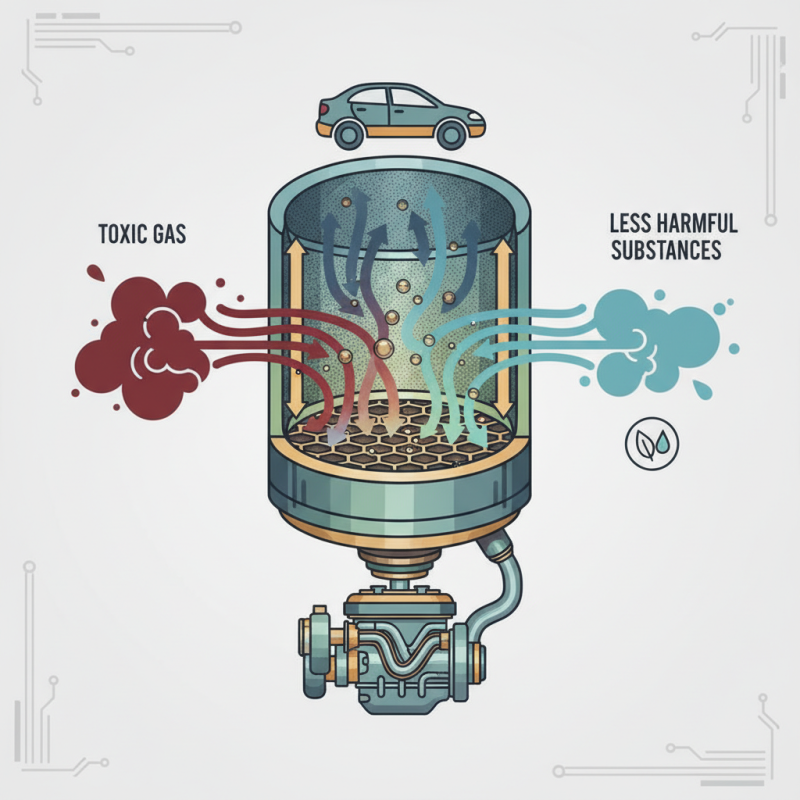
In essence, this device transforms toxic gas into less harmful substances. It utilizes a ceramic substrate coated with precious metals. These metals facilitate chemical reactions that convert pollutants. This approach minimizes the car's ecological footprint.
However, not all vehicles incorporate this technology effectively. Some systems may struggle with efficiency or durability over time. Understanding the intricacies of the Ceramic Catalytic Converter remains essential for advancements in this field. There is always room for improvement and innovation in emissions reduction technologies.
What is a Ceramic Catalytic Converter?
A ceramic catalytic converter is a pivotal component in modern automotive exhaust systems. It aids in reducing harmful emissions. Typically, these converters contain a ceramic substrate coated with precious metals like platinum and palladium. These elements facilitate chemical reactions that convert toxic gases into less harmful substances.
According to industry reports, around 90% of carbon monoxide, hydrocarbons, and nitrogen oxides can be converted into harmless gases. This efficiency highlights the importance of ceramic materials in achieving optimal catalytic activity. However, manufacturing these components is not without challenges. The fragility of ceramics can lead to issues during installation and operation.
Moreover, the cost of ceramic catalytic converters is rising due to increasing precious metal prices. Reports indicate that the prices of palladium and platinum saw an increase of over 50% in recent years. This situation raises questions about the long-term sustainability and efficiency of these converters. Manufacturing practices must adapt to maintain performance while ensuring affordability.
The Role of Catalytic Converters in Emission Control
Catalytic converters play a vital role in reducing harmful emissions from vehicles, contributing to cleaner air. A significant portion of the pollutants produced by internal combustion engines includes nitrogen oxides (NOx), hydrocarbons (HC), and carbon monoxide (CO). Studies indicate that properly functioning catalytic converters can reduce these emissions by approximately 90%. This reduction is crucial in meeting stringent environmental regulations.
The ceramic catalytic converter, primarily made of a ceramic substrate, helps facilitate chemical reactions. These reactions transform harmful gases into less harmful substances. In this process, platinum, palladium, and rhodium act as catalysts, promoting reactions without being consumed.
Despite their effectiveness, not all converters operate efficiently. Factors such as engine performance, driving habits, and maintenance can significantly affect their functionality, highlighting the need for regular vehicle checks.
Furthermore, a shift towards electric vehicles poses questions about the future role of catalytic converters. While they currently play a key part in emission control, the transition to electric could render them less relevant. Nevertheless, adaptation and innovation within this field may still be necessary, as hybrid technologies bridge the gap for many consumers. The balance between improving air quality and evolving automotive technologies remains a critical focus for the industry.
How Ceramic Materials Enhance Catalytic Converter Efficiency
Ceramic materials play a crucial role in enhancing the efficiency of catalytic converters. These converters are vital for reducing harmful emissions from vehicles. Most modern converters incorporate ceramic substrates, primarily due to their remarkable heat resistance and structural integrity. According to a report from the International Council on Clean Transportation, ceramic-based catalytic converters can achieve up to 90% efficiency in converting harmful gases.
The unique properties of ceramics allow for a large surface area, which is essential for catalytic reactions. This surface area is often increased by employing intricate honeycomb structures. Such configurations not only improve the efficiency of the conversion process but also minimize pressure drop, facilitating better engine performance. However, it is essential to address the fragility of these materials. While ceramic substrates withstand high temperatures, they can be sensitive to mechanical shocks.
In recent years, advancements in ceramic technology have led to the development of more durable materials. Research from the Department of Energy suggests that innovations in ceramic composites can enhance resistance to thermal and mechanical stresses. This improvement can lead to longer-lasting converters, less environmental impact, and reduced costs. Nevertheless, ongoing challenges remain, such as balancing durability and performance while keeping production costs manageable for mainstream use.
The Chemical Reactions Inside a Ceramic Catalytic Converter
A ceramic catalytic converter plays a crucial role in reducing harmful emissions from vehicles. It contains a core made of ceramic materials, often structured in a honeycomb design. This design increases the surface area, allowing for more interactions with exhaust gases. When the exhaust gases flow through, they encounter precious metals like platinum, palladium, and rhodium, which facilitate chemical reactions.
During these reactions, harmful pollutants such as carbon monoxide (CO), hydrocarbons (HC), and nitrogen oxides (NOx) are transformed into less harmful substances. For instance, carbon monoxide, a toxic gas, is oxidized into carbon dioxide (CO2). This process also converts unburned hydrocarbons into water vapor and CO2. The efficiency of these reactions is crucial for meeting emission standards.
Yet, ceramic catalytic converters have limitations. They can become clogged over time, leading to reduced vehicle performance. Additionally, the effectiveness may vary based on engine conditions and fuel quality. Understanding these factors is essential for maintaining a vehicle's emission control system. This highlights the need for regular inspections and potential replacements. Awareness of these issues can lead to more informed decisions about vehicle care.
What is a Ceramic Catalytic Converter and How Does it Work?
| Component | Function | Chemical Reaction | Emission Reduction |
| Ceramic Substrate | Provides a large surface area for reactions | N/A | N/A |
| Catalytic Metals | Facilitates chemical reactions | 2CO + O2 → 2CO2 | Reduces carbon monoxide emissions |
| Oxygen | Necessary for oxidation reactions | 2NO + 2CO → N2 + 2CO2 | Reduces nitrogen oxides emissions |
| Heat | Aids in accelerating reactions | C3H8 + 5O2 → 3CO2 + 4H2O | Reduces hydrocarbon emissions |
Common Issues and Maintenance Tips for Ceramic Catalytic Converters
Ceramic catalytic converters play a crucial role in reducing harmful emissions in vehicles. However, they can face several issues over time. One common problem is clogging. This happens when excessive soot and debris accumulate inside the converter. A clogged converter can reduce engine performance and fuel efficiency. Regular checks can help detect this early.
Another issue is thermal shock. Ceramic materials are sensitive to extreme temperature changes. Sudden heating or cooling can lead to cracks or even complete failure of the converter. Drivers should be mindful of sudden changes in temperature, especially after long drives.
Maintenance is key to prolonging the life of a ceramic catalytic converter. Routine inspections can identify wear and tear before it leads to bigger problems. Using the correct fuel is also vital, as lower quality fuels can lead to increased deposits. Keeping an eye on warning lights on your dashboard can make a significant difference. Ignoring these signals will likely lead to costly repairs.
Common Issues with Ceramic Catalytic Converters