How to Choose the Best Plating Current Rectifier at Canton Fair?
The Canton Fair is a crucial event for businesses seeking to enhance manufacturing processes. It hosts a vast range of exhibitors, featuring essential equipment such as the Plating Current Rectifier. In recent years, the global demand for high-quality electroplating equipment has surged, driven by advancements in technology and the growth of various industries, including electronics and automotive.
Manufacturers must carefully select the right Plating Current Rectifier to ensure efficiency and quality in their production lines. Industry reports indicate that improper selection can lead to significant operational inefficiencies. For instance, subpar rectifiers may cause inconsistent plating quality, which can affect overall product lifespan. In contrast, reliable rectifiers enhance product output and operational reliability.
With the 139th Canton Fair introducing AI-driven features, sourcing becomes more efficient. It enables buyers to filter suppliers based on specific certifications, like ISO and CE. This innovation helps streamline the selection process of critical equipment, including Plating Current Rectifiers. However, not all exhibitors may meet these standards, prompting the need for vigilant evaluation and reflection on supplier capabilities to avoid potential pitfalls.
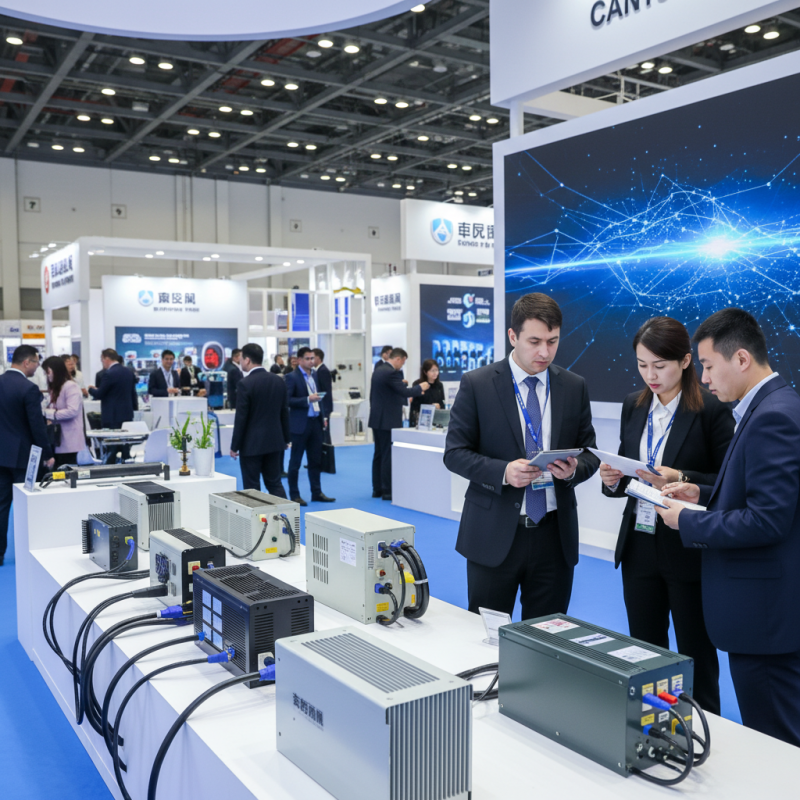
Understanding Plating Current Rectifiers: Key Features and Specifications
When selecting a plating current rectifier, it's crucial to understand key features and specifications. A good rectifier ensures smooth current delivery, which is vital for consistent plating quality. Many professionals recommend checking the power ratings and efficiency of the rectifiers on display. The efficiency ratings should ideally exceed 90%. This level helps reduce energy costs over time.
Voltage regulation is another critical aspect to consider. A rectifier should maintain stable voltage levels during operation, minimizing fluctuations. This is particularly important for processes requiring precision, such as gold plating. Variability can lead to poor adhesion and inconsistent finishes. Recent studies indicate that poor voltage regulation can compromise up to 30% of the final product's quality.
Durability and thermal management cannot be overlooked either. Frequent overheating can shorten the lifespan of a rectifier. Look for models with robust heat sinks or cooling systems. A study revealed that rectifiers with better thermal management showed a significant 25% increase in lifespan compared to less efficient models. Evaluating these parameters helps in making a more informed choice at trade shows like the Canton Fair.
Evaluating Rectifier Efficiency: Importance of Rated Current and Voltage
When selecting a plating current rectifier, understanding efficiency is crucial. Efficiency depends on the rated current and voltage. According to industry reports, an ideal rectifier should have an efficiency rating of at least 90%. This means that for every 100 watts of input, 90 watts are converted into useful output. A lower efficiency leads to wasted energy and higher operational costs.
Rated current influences the performance capabilities of a rectifier. Many applications require specific current levels for optimal plating thickness. Data shows that inadequate current can result in poor adhesion. Additionally, if the rated voltage is too low, this can limit production speed. Operators should consider the specifications carefully. It’s also important to evaluate cooling systems. Overheating can reduce efficiency and lifespan.
However, a high-rated rectifier might not always be the best option. Sometimes, a lower capacity can perform equally well in specific contexts. Balancing power needs and real-world performance can be challenging. This might lead to over or under-specifying rectifiers. Industry surveys indicate that about 25% of machines operate below optimal efficiency. Thus, taking time to assess all factors is essential for making an informed choice.
How to Choose the Best Plating Current Rectifier at Canton Fair? - Evaluating Rectifier Efficiency: Importance of Rated Current and Voltage
| Parameter | Value | Importance |
| Rated Current (A) | 50 A | Determines the maximum load the rectifier can handle |
| Rated Voltage (V) | 220 V | Critical for ensuring compatibility with the power supply |
| Efficiency (%) | 90% | Higher efficiency leads to lower energy costs |
| Ripple Voltage (V) | 1 V | Affects the quality of the plating process |
| Cooling Type | Air-cooled | Impacts the reliability and lifespan of the rectifier |
| Dimensions (mm) | 300 x 200 x 150 | Ensures it fits in the designated space |
| Weight (kg) | 15 kg | Important for transportation and installation |
Comparing Rectifier Types: SCR vs. Diode Rectifiers in Plating Applications
When attending the Canton Fair, choosing the right plating current rectifier is crucial. SCR and diode rectifiers are the two main types used. SCR rectifiers can handle higher voltages and currents, making them suitable for heavy-duty applications. They allow for precise control of the output current, which can be advantageous in plating processes requiring variable settings.
Diode rectifiers, on the other hand, are simpler in design. They provide a more stable output but lack the fine control of SCRs. This might be sufficient for standard plating tasks. However, if your applications demand quick adjustments, diodes could fall short. It’s essential to evaluate the specific requirements of your plating operations before making a decision.
Tip: Always consider the efficiency rating of the rectifier. Higher efficiency means better energy savings and lower operational costs.
Tip: Take time to assess your long-term needs. Investing in higher-quality equipment may benefit your business in the long run, despite a potentially higher upfront cost.
Understanding the strengths and weaknesses of both types helps you align your choice with your operational needs. Remember to reflect on past experiences with rectifiers, noting what worked and what didn't. This insight can guide your decision at the Canton Fair.
Assessing Quality Standards: Key Certifications and Compliance for Rectifiers
When selecting a plating current rectifier, understanding quality standards is crucial. Key certifications like ISO 9001 ensure that manufacturers meet international quality management benchmarks. Compliance with CE marking is also vital, indicating products conform to EU safety and health requirements. These certifications are not just formalities; they reflect a commitment to quality that many buyers expect.
A recent industry report highlights that 75% of rectifier buyers prioritize certification. They seek documentation that proves compliance with standards. However, obtaining these certifications can be a lengthy process. Some manufacturers may cut corners, leading to products that fail compliance. A lack of transparency can create trust issues. Buyers should verify certifications through third-party agencies.
Moreover, understanding the testing methods used during quality assessments is necessary. Industry standards vary widely, and not all rectifiers are subjected to the same rigorous testing. Considerations about operating temperature and load efficiency must be taken into account. Poorly tested rectifiers may lead to operational failures. This can result in costly repairs and downtime. Always request detailed testing reports to ensure that the products meet your specific needs.
Key Certifications and Compliance Standards for Plating Current Rectifiers
Cost-Benefit Analysis: Investment vs. Long-term Performance in Rectifiers
When evaluating plating current rectifiers, the cost-benefit analysis is crucial. The initial investment often appears daunting. Data from industry reports reveal that the average cost of a high-quality rectifier ranges between $5,000 and $20,000. However, this figure does not capture the long-term financial benefits.
Long-term performance can lead to significant savings. Reliable rectifiers tend to have lower failure rates, which reduces maintenance costs. Research shows that using a quality rectifier can cut operational costs by 20% over five years. Reliability is a vital aspect, as downtime can be costly. A single hour lost can translate to thousands in revenue, depending on the operation's scale.
While cheaper options exist, they often come with risks. The immediate savings may be tempting. Yet, in the long run, these rectifiers may require frequent replacements or repairs. An unplanned shutdown can derail production schedules and affect overall profitability. Choosing a rectifier is not just about price; it’s about ensuring efficiency and reliability.