Why Choose Carbon Steel Pipe for Your Next Project?
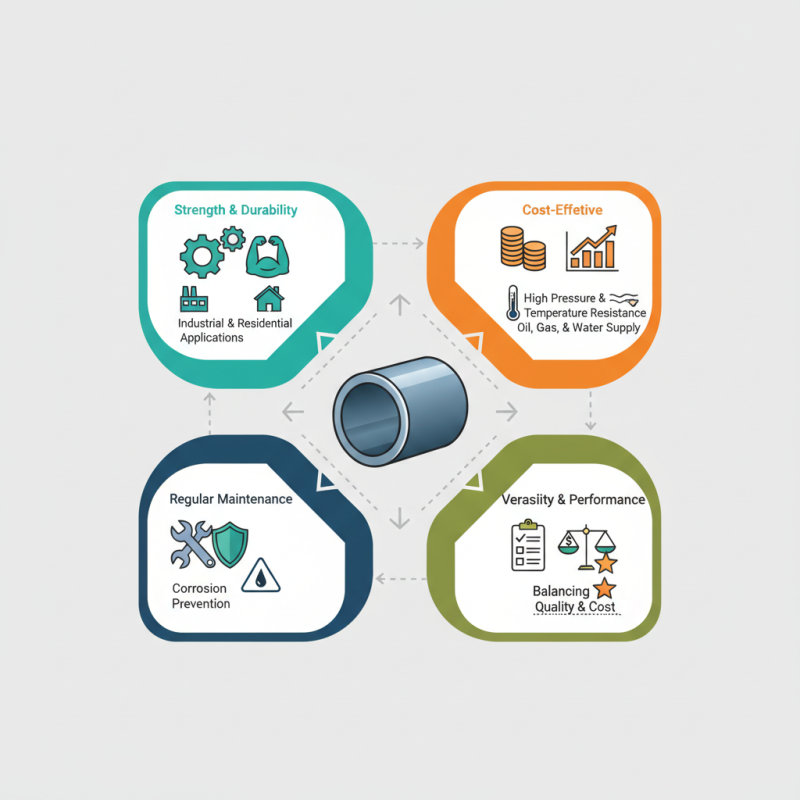
In today's construction and manufacturing landscape, choosing the right materials is crucial. Carbon Steel Pipe stands out as a reliable option for various projects. Its strength and durability make it highly preferred. With a wide range of applications, it caters to both industrial and residential needs.
The advantages of Carbon Steel Pipe extend beyond basic functionality. It is cost-effective, providing long-term savings. Its ability to withstand high pressures and temperatures is impressive. This makes it suitable for critical systems in oil, gas, and water supply. However, potential corrosion issues should be addressed. Regular maintenance can prevent unexpected failures.
Professionals often recommend Carbon Steel Pipe for its versatility and performance. However, careful consideration is needed for project specifications. Each project has unique challenges, and not all solutions fit every scenario. Balancing quality and cost is essential. By choosing Carbon Steel Pipe, you unlock a world of possibilities.
Advantages of Carbon Steel Pipe in Various Applications
Carbon steel pipes are widely used in various industries due to their unique advantages. They offer high strength and durability, which makes them a preferred choice for construction projects. In oil and gas applications, carbon steel pipes can withstand high pressures and are resistant to corrosion when properly coated. This characteristic is essential in extending the lifespan of pipelines.
In water transportation, carbon steel pipes provide excellent performance. They efficiently handle high flow rates while maintaining structural integrity. However, they are not immune to rusting, which requires consistent maintenance. The need for protective coatings can be seen as a drawback, but it reflects the importance of preventive measures in ensuring the longevity of the pipes.
Moreover, these pipes are cost-effective solutions for many applications. The initial investment is lower compared to other materials like stainless steel. However, it is essential to weigh the long-term maintenance costs. Understanding the balance between upfront costs and ongoing care is crucial for projects. Ultimately, the decision to choose carbon steel pipes should consider specific project requirements and long-term implications.
Cost-Effectiveness of Carbon Steel Pipe Compared to Other Materials
Carbon steel pipe stands out as a cost-effective choice for various projects. Data from the American Society for Testing and Materials (ASTM) reveals that carbon steel offers a lower initial investment than alternatives like stainless steel or copper. In fact, the cost of carbon steel pipe can be up to 50% less than that of stainless steel in similar applications. This affordability makes it a preferred option for large-scale projects, especially in construction and transportation sectors.
Maintenance costs also play a crucial role in overall project budgets. While stainless steel pipes are resistant to corrosion, carbon steel can be treated with protective coatings. This approach can significantly enhance its longevity while keeping costs manageable. A report from the National Association of Corrosion Engineers (NACE) suggests that, with proper maintenance, carbon steel pipes can last for decades. However, the need for occasional inspections and treatments must be acknowledged, which may raise concerns for some project managers.
When examining the total lifecycle costs, carbon steel pipe often emerges as the more budget-friendly option. While slightly higher maintenance may be a drawback, the significant savings during installation and initial material procurement cannot be overlooked. It's essential for decision-makers to weigh these factors carefully. Each project has unique demands, and understanding the balance between immediate costs and long-term investments is vital.
Durability and Strength: Key Properties of Carbon Steel Pipe
Carbon steel pipe is a popular choice in many construction projects due to its impressive durability and strength. Engineers often prefer it for its capability to withstand high pressures. According to a report by the American Iron and Steel Institute, carbon steel pipes can endure pressures up to 2,000 psi. This property makes them suitable for various applications, including oil and gas transportation.
Another key aspect of carbon steel pipe is its resistance to wear and tear. A study conducted by the Engineering Toolbox highlights that these pipes have a high tensile strength, often exceeding 70,000 psi. This means they can endure extreme conditions without significant deformation. However, despite their robustness, carbon steel does require proper maintenance. It is sensitive to corrosion when exposed to moisture, which can lead to failure if not addressed properly.
In addition to strength, carbon steel pipes are cost-effective. They provide excellent value for money, especially for large-scale projects. Recent market analysis indicates that carbon steel prices are competitive compared to other materials. Contractors often opt for carbon steel to balance essential properties and budget constraints. Nonetheless, selecting the right type of carbon steel and ensuring the correct treatment is crucial. Choices made here can impact the long-term performance of the entire piping system.
Corrosion Resistance: Enhancing Longevity in Carbon Steel Pipes
Carbon steel pipes are gaining popularity in various applications, especially due to their impressive corrosion resistance. This characteristic directly impacts the longevity of the pipes. When properly coated and maintained, carbon steel can resist rust and decay, outlasting other materials under harsh conditions.
For optimal protection, consider applying a high-quality protective coating. Regular inspections are also essential. Check for any signs of wear or damage. Even minor scratches can lead to corrosion if not addressed promptly. These proactive steps can significantly extend the lifespan of your carbon steel pipes.
Another tip is to use cathodic protection systems. These systems can prevent corrosion caused by electrochemical reactions. It’s an effective method, especially in pipeline applications. Remember, investing time in preventative measures can save you money on repairs and replacements later. Taking these steps ensures that your project benefits from the durability of carbon steel pipes with enhanced resistance to corrosion.
Sustainability Considerations for Using Carbon Steel Pipe in Projects
Carbon steel pipes have gained attention for their sustainability benefits. They are recyclable and can be repurposed without significant processing. This reduces waste in landfills and helps conserve natural resources. The production of carbon steel involves less energy compared to other materials, contributing to lower carbon emissions. Many industries recognize the potential of carbon steel in promoting eco-friendly practices.
Moreover, carbon steel is durable and long-lasting. Its strength allows it to withstand harsh conditions, reducing the need for frequent replacements. However, one must consider proper maintenance to prevent corrosion. Neglecting this aspect can shorten the lifespan of the pipes and diminish their environmental benefits. Reflecting on sustainability requires us to optimize usage and maintenance.
Choosing carbon steel also invites a critical evaluation of the entire supply chain. Responsible sourcing of the raw materials is essential. If not managed well, the environmental advantages can be undermined. It's clear that while carbon steel pipes present sustainable options, they rely on mindful practices throughout their lifecycle.