How to Choose an Ultrafiltration Water System at Canton Fair?
The demand for clean water continues to rise. The Ultrafiltration Water System plays a crucial role in providing safe drinking water. According to a recent market report, the global water filtration market is expected to reach $55 billion by 2027. Ultrafiltration technology is gaining traction due to its efficiency and effectiveness in removing contaminants.
At the Canton Fair, industry professionals can explore various options for Ultrafiltration Water Systems. The fair offers a platform to connect with suppliers meeting specific certifications like ISO and CE. With the introduction of AI-driven navigation, locating suitable vendors has never been easier. Yet, it’s essential to carefully evaluate each option. Not all systems meet the same standards. Inconsistent quality can lead to long-term issues.
Investing in an Ultrafiltration Water System requires reflection. Potential buyers should ask, "Will this system effectively meet our needs?" Evaluating performance, maintenance costs, and supplier reliability is vital. The right choice impacts not only health but also operational efficiency.
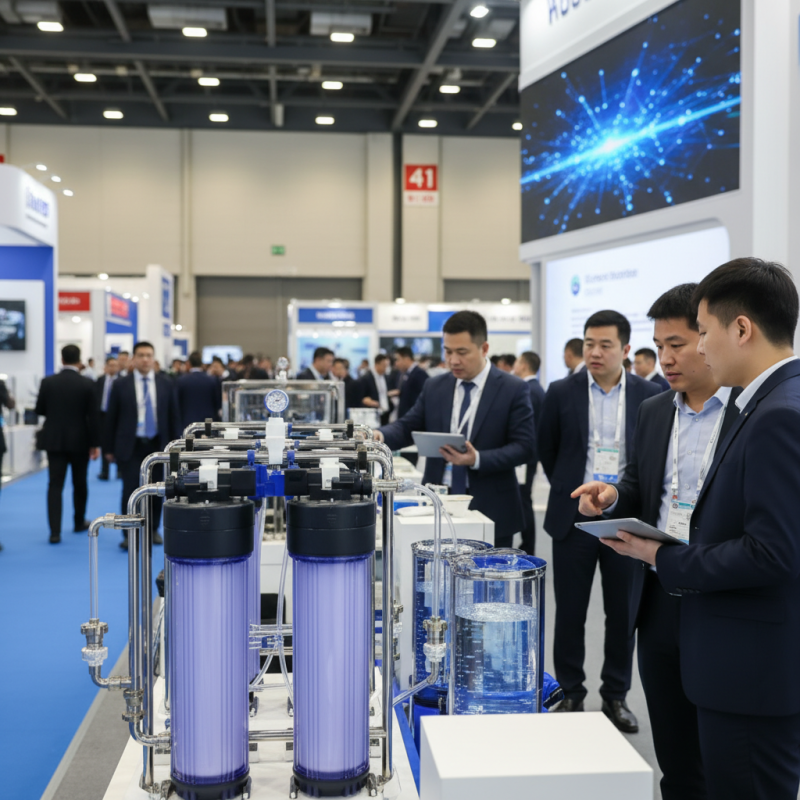
Factors to Consider When Selecting an Ultrafiltration System
When selecting an ultrafiltration water system at the Canton Fair, consider several essential factors. The water source plays a crucial role. Is it from a well, river, or municipal supply? Each source has different contaminants. Understanding this helps in choosing a suitable system.
Next, consider the filtration capacity. How much water do you need daily? Systems vary in output. If you have a large family or business, you might need a high-capacity model. Assess your needs carefully. It’s not an easy task to predict future consumption, but it’s important.
Additionally, check the maintenance requirements of the ultrafiltration system. Some models need frequent filter changes. This can lead to higher costs over time. Asking about the lifespan of filters is key. Lastly, think about the overall design and size. The system must fit your space and aesthetic preferences. Making an informed choice will reduce headaches later on.
Key Specifications for Ultrafiltration Water Systems at Canton Fair
When considering an ultrafiltration water system at Canton Fair, it's essential to focus on key specifications. You'll find systems designed to remove impurities, bacteria, and even some viruses. According to industry reports, a system should ideally have a pore size of 0.01 microns. This size ensures effective filtration.
Look for systems with a high flow rate. Reports suggest an average flow rate of 10 to 20 liters per hour is optimal for home use. Evaluate the material of the membranes as well. Polymeric membranes are common and affordable, but ceramic membranes offer durability. They tend to have a longer lifespan, providing better value.
Tip: Always check energy consumption. Some systems can consume more power than necessary. Efficient models not only save on energy bills but are also eco-friendly. It’s also wise to think about maintenance. Some ultrafiltration systems require frequent cleaning and part replacements.
Consider your water source. Are you filtering tap water, well water, or a different source? The necessary specifications may vary greatly. Don't forget to look into user reviews, as they can reveal real-life performance issues. Knowledge about the product's limitations can save you trouble later.
How to Choose an Ultrafiltration Water System at Canton Fair? - Key Specifications for Ultrafiltration Water Systems at Canton Fair
| Specification | Details |
| Membrane Material | Polyethersulfone (PES) |
| Pore Size | 0.01 - 0.1 microns |
| Flow Rate | 50 - 500 liters/hour |
| Operating Pressure | 0.1 – 0.3 MPa |
| Cleaning Method | Chemical cleaning and backwashing |
| Life Span | 3-5 years depending on usage |
| Certification | NSF/ANSI 61 |
| Usage | Residential and commercial applications |
Understanding Membrane Technology in Ultrafiltration Systems
Choosing an ultrafiltration water system at the Canton Fair can be overwhelming. Understanding membrane technology is crucial. Membrane filters are designed to remove particles, bacteria, and some viruses. They work by allowing water to pass through while blocking contaminants.
Membrane technology varies in design and efficiency. Some systems use hollow fiber membranes, while others utilize spiral-wound designs. Each type has its pros and cons. Hollow fiber membranes often provide higher flow rates, but may be more sensitive to fouling. Spiral-wound systems might offer greater surface area, making them efficient but sometimes harder to clean.
**Tips:** Focus on your water quality needs. Analyze your local water supply. Not all membranes suit every situation. Always evaluate your budget. Some systems may cost more initially but save money in the long run. Consider maintenance needs, as some membranes require frequent changes, impacting long-term costs.
Ask about certifications. Knowing if a system meets safety and performance standards helps in making an informed choice. Don't rush; select wisely.
Comparative Cost Analysis of Ultrafiltration Systems in the Market
When considering ultrafiltration water systems, a comparative cost analysis is crucial. Many options exist in the market. Prices can vary widely based on features and performance. Some systems offer advanced filtration, while others focus on affordability. Understanding your needs is vital. High-end models may seem pricey but deliver superior quality. In contrast, lower-cost systems can sometimes underperform.
Investing in an ultrafiltration system requires careful consideration. Some systems may have hidden costs like maintenance and replacements. Look for warranties that indicate reliability. Additionally, installation costs can add to the overall expense. Ensure that the system meets your water quality requirements. Cheap options might save money upfront but could lead to higher expenses later.
You may encounter systems that are too complex for casual use. User-friendliness matters. Some designs are confusing and require constant monitoring. Reflect on your lifestyle and daily water consumption. A more straightforward system can often be more effective. Explore user reviews for real-world feedback. Different perspectives can reveal practical strengths and weaknesses. Don't hesitate to ask questions at the Canton Fair; gathering information is key.
Evaluating the Performance Metrics of Ultrafiltration Solutions
When evaluating the performance metrics of ultrafiltration solutions, several key factors should be considered. A recent industry report states that the average pore size for ultrafiltration membranes ranges from 1 to 100 nanometers. This size effectively removes bacteria and larger particles but allows essential minerals to pass through. Make sure to check this specification closely during the selection process.
Water flow rate is another critical performance metric. According to a 2022 analysis, the optimal flow rate for household systems is typically between 50 to 100 liters per hour. Systems below this range may struggle to meet daily needs. Additionally, consider the energy consumption of the system. Some ultrafiltration units can consume up to 0.5 kWh per day. This can significantly impact operating costs over time.
Maintenance requirements vary among ultrafiltration systems. Many filters need replacement every 1 to 2 years, depending on usage and water quality. Some users report issues with scaling and fouling, which could require more frequent cleanings. The reported downtime for maintenance can range from a few hours to several days, posing an inconvenience. It is essential to assess the trade-offs between performance and maintenance demands. Make sure your choice aligns with your lifestyle and needs.