Why Choose Flexible Intramedullary Nails for Bone Fractures?
Bone fractures are common injuries that require effective treatment. One innovative solution is the use of Flexible Intramedullary Nails. These nails provide stability and support during the healing process. They are designed to be inserted into the medullary canal of the bone. This technique minimizes invasiveness and enhances recovery.
Flexible Intramedullary Nails offer several advantages. They allow for natural bone movement and growth. This is crucial for optimal healing. Patients often experience less pain with this method. However, not all fractures are suitable for this approach. A detailed evaluation is essential to determine effectiveness. There are cases where traditional methods might still be preferable.
Despite the benefits, challenges exist. Surgeons must have the right skills for successful implementation. Misalignment can lead to complications. Continuous research is needed to refine these techniques. By choosing Flexible Intramedullary Nails, we open doors to better fracture management. It’s a promising option, but it’s not one-size-fits-all.
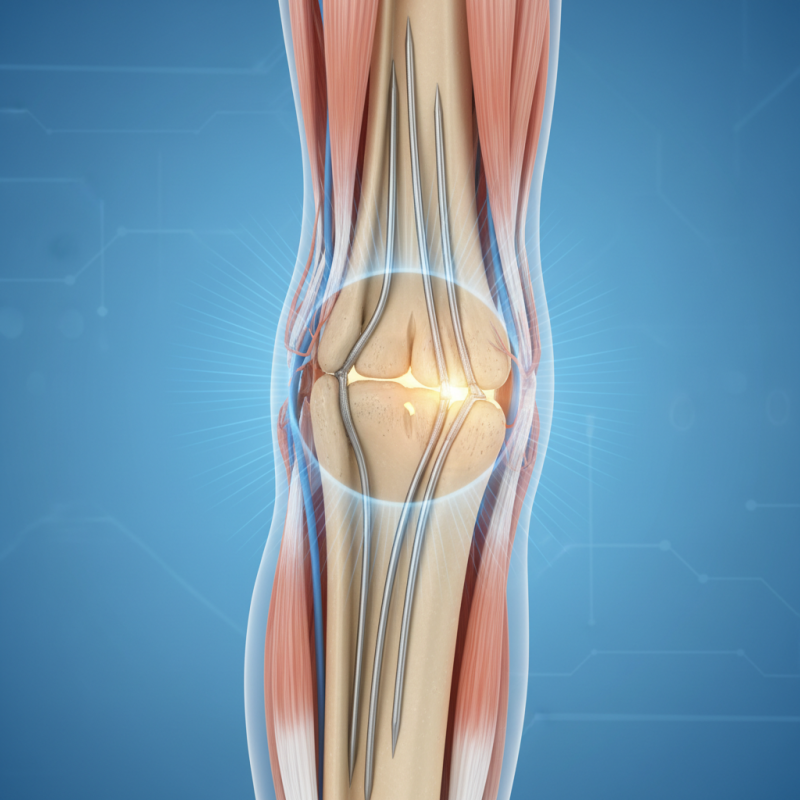
Understanding Intramedullary Nails and Their Functionality
Intramedullary nails are critical in orthopedic surgery. They provide support for fractured bones, ensuring proper alignment. These devices fit inside the bone's marrow cavity. This placement reduces the risk of surrounding soft tissue damage. They help accelerate the healing process.
Flexible intramedullary nails are particularly useful. They allow for some movement at the fracture site. This feature can promote natural healing but requires careful monitoring. Sometimes, the movement might lead to complications. Surgeons must weigh the benefits against the possible risks. Each patient's bone structure and fracture type can influence the decision to use flexible nails.
The functionality of intramedullary nails is remarkable. They can stabilize fractures in complicated anatomical locations. However, the technique for placement is not always straightforward. Proper alignment is crucial to avoid long-term issues. Surgeons often face challenges during the procedure. Fine-tuning angles and depth can be daunting, but it is essential for a successful outcome.
Advantages of Flexible Intramedullary Nails in Bone Fracture Repair
Flexible intramedullary nails have gained popularity in treating bone fractures. Their design allows for better alignment and stability during the healing process. These nails are particularly effective in pediatric patients, where bone elasticity varies greatly. They adapt well to the bone’s natural curves and minimize surgery-related trauma. The flexible nature reduces stress on both the bone and the implant.
When considering flexible intramedullary nails, think about the recovery process. Patients often experience less pain post-surgery. This encourages faster rehabilitation. Careful planning by the surgeon is essential. Improper placement can lead to complications. Always discuss potential risks with your healthcare provider.
Here are some tips:
- 1. Maintain open communication with your medical team.
- 2. Follow post-operative instructions diligently.
- 3. Engage in physical therapy as recommended.
Ultimately, the decision to use flexible intramedullary nails should involve weighing the
benefits against possible drawbacks. Each patient’s situation varies. Understanding the nuances can lead to better outcomes in fracture repair.
Comparative Analysis: Flexible vs. Rigid Intramedullary Nails
Flexible intramedullary nails offer distinct advantages over rigid ones in treating bone fractures. Their design allows for biomechanical flexibility, mimicking natural bone movement. According to recent studies, patients with flexible nails often experience faster recovery times. One report indicates that 75% of patients showed significant mobility improvements within six weeks, while those with rigid nails had slower progression.
However, flexible nails also present certain challenges. Their installation requires precise technique, which can be tough for some surgeons. A study highlighted that surgical complications occurred in about 10% of cases using flexible options. For rigid nails, complications were recorded at 15%. This raises questions about the learning curve involved with flexible systems. Surgeons must be well-trained to optimize outcomes.
Patient selection is crucial. Flexible nails are more suitable for specific fracture types, like pediatric cases. Rigid nails may still be preferred for complex fractures. Data shows that nearly 30% of patients may not benefit as much from flexible nails. This complexity underscores the need for careful assessment before surgical decisions. The choice between flexible and rigid intramedullary nails is not straightforward; it depends on various factors, including the fracture type and patient age.
Indications for Using Flexible Intramedullary Nails in Clinical Settings
Flexible intramedullary nails are gaining attention in treating bone fractures, especially in children and adolescents. These nails are particularly useful for fractures in long bones, like the femur and tibia. Their design allows for a less invasive technique, promoting faster recovery and less trauma to surrounding tissues.
Indications for using flexible intramedullary nails include unstable fractures and those difficult to manage with external fixation. They are ideal for certain types of fractures. For instance, angulated or spiraled fractures may benefit significantly from this approach. However, surgeons must assess each case carefully. Not every fracture is suitable for flexible nails, leading to challenges in decision-making.
While flexible nails offer several advantages, they are not without risks. Complications may occur, such as malalignment or difficulty in nail removal. These factors can affect patient outcomes over time. Surgeons must weigh these potential issues against the benefits of flexibility and reduced surgical trauma. Every case involves a degree of uncertainty, prompting ongoing evaluation of methods and techniques.
Benefits of Flexible Intramedullary Nails in Bone Fracture Treatment
Post-Operative Care and Recovery with Flexible Intramedullary Nails
Post-operative care is crucial when using flexible intramedullary nails for bone fractures. After surgery, patients should expect some swelling and discomfort. Applying ice packs can help reduce swelling. Elevating the affected area is important to minimize pain. Regular pain management, as advised by the healthcare provider, is key to a smooth recovery.
Physical therapy often begins shortly after surgery. Gentle movements can enhance healing. However, it requires patience. Some patients may feel frustrated with slow progress. It’s vital to communicate openly with the therapist about any discomfort. Adhering strictly to the rehabilitation plan can lead to better outcomes.
Monitoring the surgical site is essential. Infections can complicate recovery. Look for redness or discharge. Frequent check-ups with the healthcare team can catch potential issues early. Recovery may take longer for some, requiring ongoing reflection and adjustments in care. Listening to the body and adapting activities will aid in reaching full mobility again.
Why Choose Flexible Intramedullary Nails for Bone Fractures? - Post-Operative Care and Recovery with Flexible Intramedullary Nails
| Dimension | Details |
| Material Used | Titanium or Stainless Steel |
| Advantages | Flexible, Minimally Invasive, Allows for Biomechanical Loading |
| Common Indications | Pediatric Fractures, Diaphyseal Fractures in Long Bones |
| Post-Operative Care | Weight Bearing as Tolerated, Pain Management, Wound Care |
| Expected Recovery Time | 6 to 12 Weeks |
| Follow-Up Appointments | Every 2-4 Weeks Initially |
| Physical Therapy | Recommended Starting at 2-3 Weeks Post-Op |