How to Operate a Fork Lift Safely and Efficiently?
Forklifts are essential in many industries, enhancing productivity and efficiency. According to the Bureau of Labor Statistics, there are over 91,000 forklift-related injuries per year in the United States alone. This alarming statistic highlights the need for proper training and safety measures when operating a forklift.
Operating a forklift safely can prevent injuries and save lives. Understanding the mechanics and capabilities of the forklift is crucial. Operators must know their vehicle’s limitations. For example, load capacities and stability can vary significantly between models. Each lift requires a unique approach based on its design and intended use.
Inadequate safety practices can lead to serious accidents. It is vital to conduct regular inspections and maintenance. Operators should be trained in emergency protocols. Reflecting on past incidents can help identify areas for improvement. Recognizing the importance of safety in forklift operation is not just a guideline; it is a necessity for every workplace.
Understanding Forklift Components and Controls
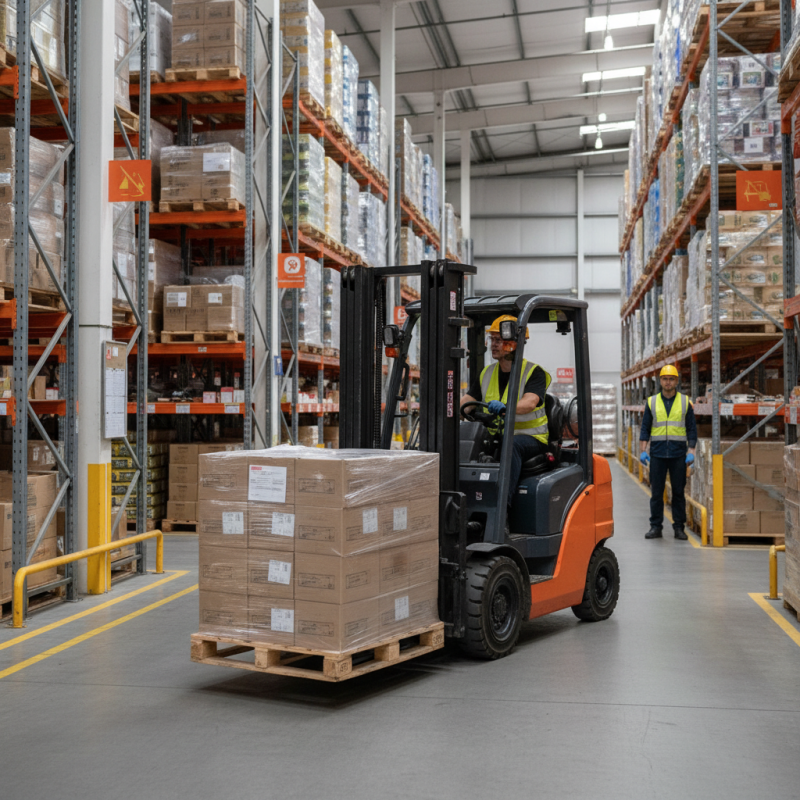
Understanding forklift components and controls is essential for safe operation. Each forklift consists of key parts, including the mast, forks, and the operator's compartment. The mast raises and lowers loads, while forks grip items securely. Familiarizing oneself with these components can lead to more efficient handling.
Operators must understand controls, often concentrated in one area. The steering wheel, accelerator, and brakes should feel intuitive. However, many operators struggle with understanding the hydraulic controls. According to safety reports, improper handling of these can lead to accidents. Data shows that 20% of forklift accidents are caused by operator error related to controls. This insight stresses the importance of adequate training.
Moreover, checklists before use can help identify problems early. Maintaining components ensures smoother operations. Some operators neglect simple checks, risking safety. Reports indicate that daily inspections can reduce incidents significantly. Yet, some may overlook this practice. This gap can lead to hazardous situations. Recognizing these flaws is vital for improving forklift operation.
How to Operate a Fork Lift Safely and Efficiently?
| Component |
Description |
Safety Tips |
| Mast |
The vertical assembly that raises and lowers the load. |
Always check for damage before operation; ensure visibility is not obstructed. |
| Forks |
The arms of the forklift that lift the load. |
Ensure forks are properly positioned; do not exceed load capacity. |
| Controls |
Levers and pedals used to operate the forklift. |
Familiarize yourself with all controls before use; ensure controls are responsive. |
| Roll Over Protection Structure (ROPS) |
Structure designed to protect the operator during a rollover. |
Always wear seatbelts; inspect ROPS for integrity. |
| Load Backrest |
A protective structure behind the forks to prevent loads from falling back. |
Ensure it is properly installed and in good condition. |
Pre-Operational Safety Checks and Maintenance Procedures
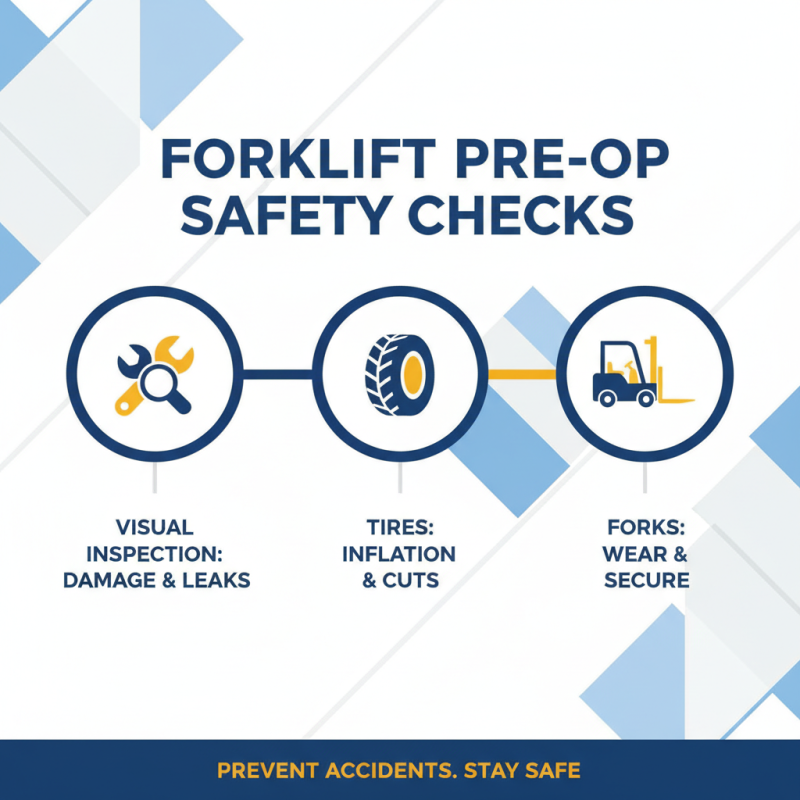
Before operating a forklift, conducting pre-operational safety checks is crucial. Start by inspecting the forklift’s exterior. Check for any visible damage, leaks, or loose parts. Pay attention to the tires; they should be properly inflated and free of cuts. Examine the forks for wear and ensure they are securely attached. A simple visual inspection can prevent costly accidents later.
Next, test the controls inside the cabin. Sit in the operator's seat and adjust it for comfort. Make sure you can reach all controls easily. Functionally test the horn, lights, and backup alarms. These features are vital for safe operation in busy environments. Don’t skip this step, as malfunctioning components can lead to serious hazards.
Regular maintenance procedures also play a critical role in ensuring safety. Create a maintenance schedule that outlines daily, weekly, and monthly tasks. Replace worn parts promptly to avoid unexpected failures. Document all inspections and repairs for accountability. This not only ensures safety but also prolongs the lifespan of the forklift. It's easy to overlook these steps when busy, but such neglect can lead to accidents that might have been easily prevented.
Proper Lifting Techniques and Load Management
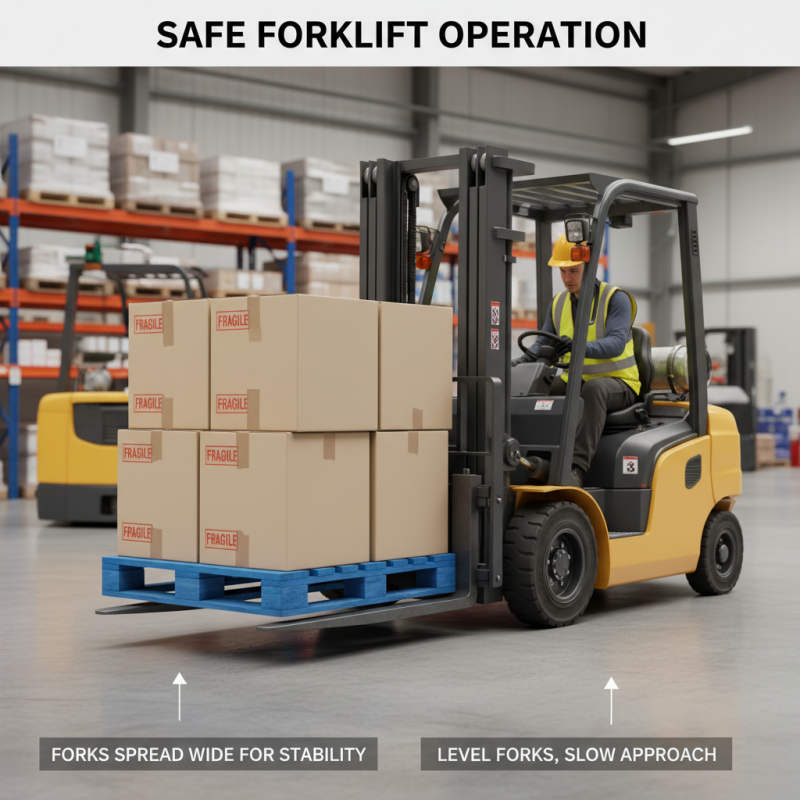
Proper lifting techniques are essential for safe and efficient forklift operation. When engaging a load, always ensure your forks are spread wide. This provides better stability, minimizing the risk of tipping. Approach the load slowly and maintain a level fork position. Lifting too quickly can cause control issues, leading to accidents.
Load management is equally important. Ensure loads are evenly distributed on the forks. Uneven loads can lead to imbalance, making it harder to steer. Check the weight limits for your forklift. Overloading can not only damage the equipment but also endanger workers. Always secure loads properly to prevent shifting. A secured load will minimize hazards during transport.
Even experienced operators can overlook details. Sometimes, they handle loads too aggressively. Slow down and observe your surroundings. Issues can arise from neglecting blind spots. Taking a moment to check can save time and lives. Regularly revisiting training can reinforce good habits and improve efficiency. Still, reflecting on past mistakes is essential for continuous improvement in forklift operation.
Navigating Work Environments Safely and Efficiently
Navigating work environments while operating a fork lift requires constant awareness. The surrounding area can often be cluttered with obstacles. Ensure walkways are clear before moving. Always check your mirrors and blind spots regularly. This helps prevent collisions and accidents. Remember, visibility is key. A well-lit environment aids in safe operation.
Communication plays a vital role in navigating safely. Use hand signals or radios to inform others of your movements. Make your intentions clear. If someone is nearby, slow down. It’s easy to overlook people when focused on loads. Fine-tuning awareness can minimize risks.
Often, we become complacent. Familiarity with the environment can invite shortcuts. Each load and location deserves full attention. Avoid distractions, even if it feels safe. Reflect on past experiences to learn from mistakes. Every incident teaches us something. Prioritizing safety will make for a smoother operation.
Adhering to OSHA Regulations and Training Requirements
Operating a forklift requires strict adherence to OSHA regulations and training requirements. These guidelines ensure safety in the workplace. According to the Bureau of Labor Statistics, forklift accidents cause around 20,000 injuries annually. Proper training can significantly reduce these incidents.
Every forklift operator must complete a certified training program. This includes classroom instruction and hands-on experience. A study by the National Safety Council shows that trained operators are 60% less likely to be involved in accidents. Understanding load capacity and stability is vital. Operators must be aware of their environment, including pedestrian traffic.
Tips: Always inspect the forklift before use. Look for any visible defects or maintenance needs. Communicate clearly with team members when operating. Use hand signals or radios to avoid misunderstandings.
Even with training, errors can happen. For instance, one operator may misjudge load weight. Another might operate too close to pedestrians. Reflection on these mistakes is crucial for improvement. Continuous learning leads to a safer workplace for everyone.