What is Plastic Injection Mold and How Does It Work?
Plastic Injection Molds are widely used in manufacturing. They allow for the efficient production of complex plastic parts. Understanding how they work can demystify the process.
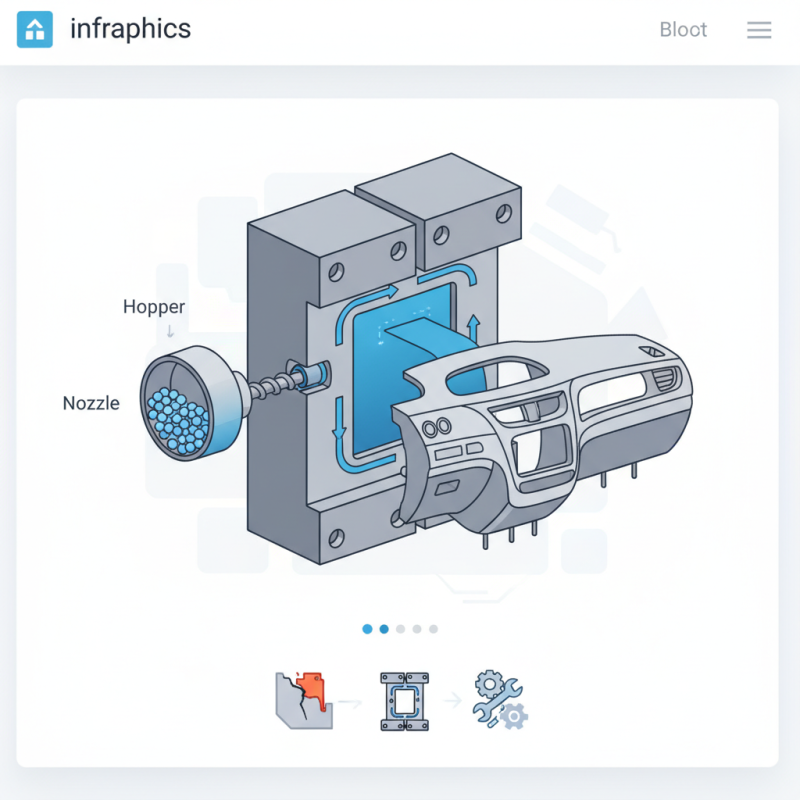
At their core, Plastic Injection Molds utilize pressure to shape molten plastic into desired forms. This method is quick and cost-effective for mass production. The process involves heating plastic pellets until they are liquid, then injecting it into the mold cavity. As the material cools, it solidifies into a specific shape.
However, the process is not flawless. Molds can wear out over time, leading to defects in production. This raises questions about maintenance and longevity. Each mold design has its challenges. Being aware of these limitations is crucial for manufacturers aiming for quality results.
What is Plastic Injection Mold?
Plastic injection molds are essential tools in the manufacturing process. They are used to produce a variety of plastic products, from tiny components to large items. The process involves injecting molten plastic into a mold cavity. Once cooled, the mold opens to release the finished product. This technique allows for high precision and reproducibility in design.
Creating a plastic injection mold involves several steps. Engineers design the mold, considering factors like material flow and cooling processes. The mold itself is often made of metal, providing durability and strength. However, achieving the perfect mold is challenging. Small errors in design can lead to defects in the final product. Every project teaches valuable lessons about the need for careful planning and testing.
The mold-making process requires continuous improvement. Designers must adapt to new materials and techniques. Innovations in technology can significantly change how molds are crafted. Yet, not every new method is successful. Sometimes a change can cause unexpected issues. Reflecting on these experiences is crucial in refining the art of injection molding.
History and Evolution of Plastic Injection Molding
The history of plastic injection molding is fascinating. This method was invented in the 19th century. Initially, it used simple materials like Bakelite. Today, it utilizes advanced thermoplastics and other compounds. According to a market report, the global injection molding market size was valued at approximately $335 billion in 2022. This number is expected to reach $476 billion by 2030.
In the early days, the process was labor-intensive and slow. Machines were bulky and technology limited. Over time, the adoption of electric and servo-driven machines increased efficiency. The shift from manual to automated systems led to higher productivity. Yet, this evolution raises questions about the environmental impact. Plastic waste is a pressing issue. The industry must adapt and innovate with sustainable materials.
The design of molds has also transformed. Computer-aided design (CAD) and simulation software play a crucial role now. Good design can prevent issues like warping or defects. However, the reliance on technology can create a knowledge gap. There are concerns that new generations lack traditional skills. As industry standards push forward, companies must balance the drive for innovation with responsible practices.
Plastic Injection Molding: Growth Over the Years
This bar chart illustrates the significant growth of the global plastic injection molding market over the years, highlighting its evolution from 1980 to 2023.
Components of Plastic Injection Molds Explained
Plastic injection molds are crucial in manufacturing. Understanding their components helps in grasping how they function. A typical mold consists of two primary parts: the mold cavity and the mold core. The cavity shapes the external surface, while the core forms the internal features. Each component requires precision to ensure a perfect fit.
Another essential part is the ejection system. Once the plastic cools, this system pushes out the finished item. It often employs ejector pins or plates. A consistent temperature control system is also critical. It ensures even cooling and reduces defects.
Tips: Inspect molds regularly for wear and tear. Minor issues can lead to bigger problems later.
Mold alignment is key. Misalignments can cause defective parts. Pay attention to the setup process to enhance overall quality. Regular training for operators can also improve efficiency. They need to understand each component and its function. Knowledge can prevent costly mistakes.
The Injection Molding Process: Step-by-Step Guide
The injection molding process is a critical technique used in manufacturing plastic parts. It involves several key stages that ensure high efficiency and precision. Initially, plastic pellets are fed into a heated barrel. The pellets melt and travel through a nozzle into a mold cavity. Once the mold is filled, the plastic cools and solidifies, taking the shape of the mold. This entire process can be completed in a matter of seconds to minutes, producing thousands of identical parts swiftly.
When considering this process, precision is paramount. Data indicates that 90% of all manufactured plastic products undergo injection molding. However, achieving the desired quality can be a challenge. Variations in temperature and pressure can affect the final product's characteristics. It's crucial to monitor these parameters closely to minimize defects.
Tips: Regular maintenance of molds can prevent unexpected failures. Consider training staff on the importance of setup checks. Sometimes, the human factor can introduce errors despite technology's best efforts. By addressing these potential pitfalls, manufacturers can enhance productivity and product quality significantly.
Applications and Advantages of Plastic Injection Molding
Plastic injection molding is a highly efficient manufacturing process. It allows for mass production of complex plastic parts with high precision. This method is widely used in various industries, from automotive to consumer goods. The global plastic injection molding market is projected to reach $336.5 billion by 2027, driven by its increasing applications.
One key advantage is the material efficiency. Injection molding reduces waste during the production process. Reports indicate that this method can save up to 90% of raw materials compared to traditional methods. Furthermore, plastic parts produced through injection molding can be very consistent in quality, making them suitable for critical applications. However, not all designs are ideal for this technique. Complicated geometries may add to production costs and time.
Tips: When designing for injection molding, always consider the ease of mold release. This not only impacts quality but also affects costs. It’s also important to stay updated on industry advancements, as new materials and technologies can enhance the process. Continuous reflection on the design and manufacturing aspects can lead to better outcomes and innovations in products.