How to Replace a Cabin Filter in Your Car?
Replacing a Cabin Filter is an essential maintenance task for your car. Over time, cabin filters can become clogged with dirt and allergens. This affects air quality inside your vehicle. A clean cabin filter improves airflow and ensures a healthier driving environment.
You might wonder if replacing the cabin filter is worth the effort. The truth is, many car owners neglect this simple task. This can lead to unpleasant smells and reduced visibility. A fresh cabin filter can help you breathe easier. It traps pollen, dust, and other pollutants effectively.
Taking on this task yourself can save you money. Many find it a rewarding experience. However, it requires some patience and attention. Missteps can happen, like choosing the wrong filter or missing installation steps. A little research can go a long way. Ultimately, the benefits of a clean cabin filter are undeniable.
Understanding the Purpose and Importance of a Cabin Filter
A cabin filter plays a crucial role in your vehicle. It cleans the air that enters the cabin, trapping dust, pollen, and pollutants. This is especially important for those with allergies or respiratory issues. A dirty filter can reduce air quality and affect your comfort while driving.
Regularly replacing the cabin filter can enhance air circulation in your car. It may also improve the efficiency of your vehicle's heating and cooling system. Many people overlook this simple task, thinking it’s not important. Over time, a clogged filter can lead to unpleasant odors and reduced visibility.
**Tips:** Check your cabin filter every six months. Look for signs of dirt or damage. If you notice musty smells, it’s time to replace it. Doing it yourself can save money. Follow a guide or watch a video for tips. Regular maintenance can keep your car fresh and pleasant.
Locating the Cabin Filter in Your Vehicle
Locating the cabin filter in your vehicle can be straightforward if you know where to look. Typically, the cabin filter is situated behind the glove compartment. Start by opening the glove compartment fully. Remove any items inside to make the process easier. You might notice small tabs. Squeeze them to release the compartment, allowing it to drop down.
Sometimes, the cabin filter can also be found under the dashboard, close to the windshield. Check in this area if you do not see it in the glove compartment. If your vehicle model is a bit older, the filter might be hidden beneath the hood. It's essential to consult your manual for specific locations. However, manuals can be confusing. They often lack clear visuals.
Finding the cabin filter isn't always a breeze. It might not be where you expect. After locating it, inspect the filter for dirt or blockages. A very dirty filter can affect air quality inside your car. Remember, replacing it can improve your driving experience. Always keep a flashlight handy to illuminate dark areas. Taking the time to find the filter can make a big difference.
How to Replace a Cabin Filter in Your Car? - Locating the Cabin Filter in Your Vehicle
| Vehicle Make | Cabin Filter Location | Filter Type | Replacement Interval (Miles) |
| Honda | Under the glove compartment | Activated Carbon Filter | 15,000 |
| Toyota | Behind the glove box | HEPA Filter | 20,000 |
| Ford | Under the dashboard | Particulate Filter | 30,000 |
| Chevrolet | Near the windshield wipers | Cabin Air Filter | 15,000 |
| Nissan | Side of the dashboard | Electrostatic Filter | 20,000 |
Gathering Required Tools and Replacement Parts
When replacing a cabin filter, having the right tools is essential. You will typically need a socket wrench, screwdrivers, and a flashlight. These basic items can be found in most toolkits. According to industry reports, over 50% of filters are replaced incorrectly. This highlights the importance of preparation. You might also need a vacuum cleaner or air compressor to remove debris from the filter area.
Before starting, check the owner's manual for specific instructions related to your car model. It can guide you in gathering parts efficiently. The filter itself is often inexpensive, but the air it filters is crucial. A clean filter can improve air quality by up to 30%. Without it, dust and allergens can accumulate quickly.
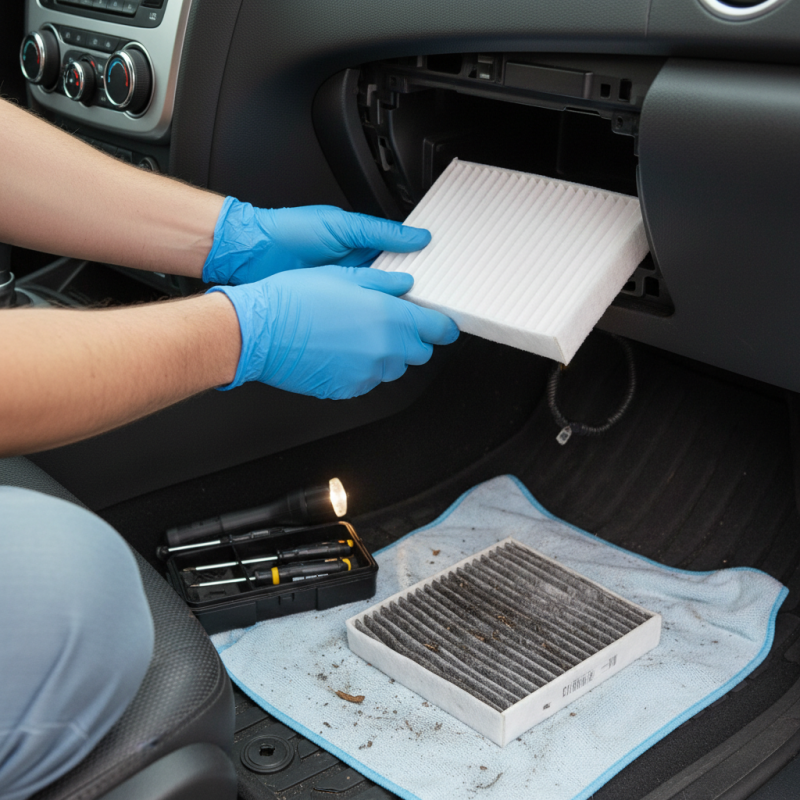
Tips: Always wear gloves to keep the process neat. Take a photo of the old filter's position to aid in replacing it. Ensure your workspace is well-lit; shadows can make tasks challenging. Reflecting on potential mistakes will help you do better next time. A rushed job can lead to improper installation, affecting air flow and system efficiency.
Step-by-Step Instructions for Removing the Old Cabin Filter
Replacing a cabin filter is essential for maintaining air quality in your vehicle. A dirty filter can impede airflow and reduce your car’s heating and cooling efficiency. According to recent studies, a clean cabin filter can improve air quality by filtering out at least 98% of pollutants.
To remove the old cabin filter, start by locating the filter compartment. Typically, it’s behind the glove box or under the dashboard. Empty the glove box to access the compartment. This process can be frustrating. Some vehicles have complicated systems. Gently release any clips or screws holding the cover in place. Sometimes, these components break. Handle with care.
Once you have access, pull out the old filter. It often collects dust, leaves, and other debris. A significant percentage of drivers overlook this maintenance task. Research indicates that many filters go unchanged for over a year. Consider the impact on your health. After removing the old filter, compare it to the new one. Ensure it’s the correct fit. Installing is often just as challenging. Make sure it’s positioned properly before closing the compartment.
Installing the New Cabin Filter and Ensuring Proper Fit
Replacing your cabin filter can greatly improve air quality in your car. After you've removed the old filter, selecting the right new filter is crucial. Ensure it fits snugly in the compartment. A filter that’s too loose will not trap dust and allergens effectively.
Here are some tips: Always check the orientation of the filter before installation. Some filters have an airflow arrow. Align this arrow properly. It can be easy to overlook, but doing it right ensures better airflow. If it feels too tight, double-check the orientation again. An incorrect fit can lead to rattling noises.
When inserting the new filter, take your time. Gently push it into place. An overly aggressive approach might damage the filter or the compartment. If you notice any gaps, pause and reassess. Adjust the filter if needed. A perfect fit will enhance performance and prolong the filter's lifespan. Remember, maintenance is key!