

China Top 10 Vent Relief Valve Manufacturers in 2026
China’s Vent Relief Valve industry is entering 2026 with stronger engineering expectations and more demanding process applications. Manufacturers now compete on sealing accuracy, corrosion resistance, certification, delivery stability, and documented testing. This guide examines ten leading Chinese suppliers through those practical factors, rather than relying on factory claims alone.
Pressure-safety engineer Norman R. Smith offered a useful warning: “A relief valve is not a substitute for sound process design.” That principle remains important when comparing a Vent Relief Valve for storage tanks, pipelines, chemical equipment, or low-pressure vessels. A polished datasheet is not enough. Buyers should inspect material certificates, set-pressure records, vacuum performance, temperature limits, and maintenance support. Small details matter. A sticky pallet, an uneven gasket, or unclear calibration records can change field performance.
The selected manufacturers are assessed from an engineering and purchasing perspective. Their product range, manufacturing capacity, testing practices, export experience, and response quality all matter. Some suppliers may excel in customization, while others provide stronger standardization or faster delivery. No ranking can fit every plant. That is an uncomfortable limitation. Application conditions must always control the final decision. Readers should verify current certifications, factory capabilities, and technical documents before placing an order. This introduction prepares the comparison, but it does not replace a site-specific pressure study or professional review.
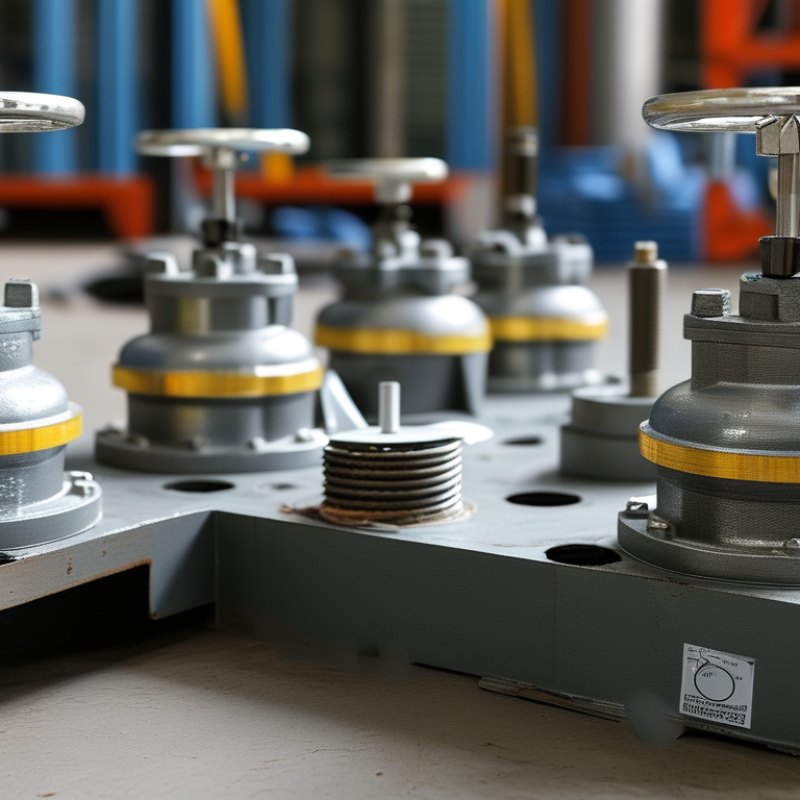
What Are Vent Relief Valves and Why Do They Matter?
Vent relief valves protect tanks and vessels from pressure changes during filling, emptying, heating, and cooling. They release excess pressure and admit air or inert gas when internal pressure falls. Without this balance, a tank roof may deform, seals may fail, or stored material may escape.
The need is measurable. According to Grand View Research’s 2024 Industrial Valves Market Report, the global market is projected to grow at about 4.8% annually through 2030. This growth reflects wider investment in chemical, energy, water, and manufacturing facilities.
API Standard 2000 provides design guidance for atmospheric and low-pressure storage tank venting. ISO 4126 also defines safety requirements for pressure relief devices. These standards matter during supplier evaluation.
A reliable valve must match the tank’s pressure range, fluid characteristics, temperature, and venting capacity. Field inspections often reveal simple problems: blocked screens, incorrect spring settings, corrosion near the seat, or poor drainage. Small details matter. A valve can appear clean yet respond too slowly.
Capacity calculations should consider filling rates, thermal expansion, fire exposure, and vacuum conditions. Testing records should show set pressure, leakage performance, materials, and inspection dates.
The Global Industrial Valve Market Report by MarketsandMarkets identifies process safety and infrastructure upgrades as important demand drivers, but market growth alone proves little. Manufacturer quality systems, traceability, and practical test evidence deserve equal attention. Some selection decisions remain imperfect when operating data is incomplete. That uncertainty should be documented, not hidden.
How China’s Vent Relief Valve Manufacturing Industry Has Evolved
China’s vent relief valve industry has moved from basic machining toward controlled, application-specific production. Earlier workshops often relied on manual lapping and paper records. Today, many factories use CNC machining, digital pressure testing, and traceable batch files. This shift matters when a valve must open accurately beside a storage tank or process vessel.
IMARC Group reported that China’s industrial valves market reached about USD 10.6 billion in 2023. Its forecast suggests continued growth through 2032, supported by energy, chemical processing, water treatment, and infrastructure investment.
Vent relief valves remain a smaller segment, yet their requirements are becoming stricter. Manufacturers now focus on set-pressure stability, corrosion resistance, leakage control, and performance across changing temperatures. Testing rooms increasingly record opening and reseating values electronically.
The progress is real, but uneven. Some suppliers still present laboratory results without enough field evidence. That weakens confidence. A reliable 2026 comparison should examine material certificates, calibration intervals, pressure-test procedures, and after-sales failure data. ISO 4126 guidance and ASME pressure-relief practices provide useful reference points, but local execution still varies. The China Valve Industry Association has repeatedly highlighted automation, quality control, and intelligent manufacturing as industry priorities. Factory visits reveal the practical difference: clean test benches, labeled springs, sealed instrument connections, and operators who can explain every reading. Not every manufacturer has reached that standard.
Top 10 China Vent Relief Valve Manufacturers in 2026
China Top 10 Vent Relief Valve Manufacturers in 2026
The Top 10 China Vent Relief Valve Manufacturers in 2026 should be assessed through evidence, not advertising claims. Grand View Research valued the global industrial valves market at about USD 78 billion in 2023. It also expects steady growth through 2030, driven by energy, chemical, and water infrastructure projects. This growth increases demand for accurate pressure protection.
A reliable review should examine factory testing, material traceability, and documented set-pressure accuracy. Manufacturers serving Chinese and overseas projects should understand API 526, API 527, ASME Section VIII, and ISO 4126 requirements. Field experience matters too. A valve may pass a workshop test but behave differently after corrosion, vibration, or repeated cycling. The ranking should therefore compare response time, leakage performance, inspection records, and after-sales support. Data is not always complete. That weakness deserves attention.
Tips: Request test certificates, calibration records, and a pressure-temperature curve before purchasing. Check whether the supplier controls machining, spring testing, and final assembly internally. Confirm the valve’s media compatibility, inlet size, discharge direction, and maintenance access. A lower quotation can hide costly replacement work. Also, ask for references from facilities with similar pressure ranges. Independent verification remains wise, even when documents look professional.
| Rank | Manufacturer Profile | Typical Set Pressure | Nominal Size Range | Common Body and Trim Materials | Relevant Design and Testing Standards | Typical Application Areas |
|---|---|---|---|---|---|---|
| 1 | Profile 01 | -2.5 to +50 kPa | DN25–DN600 | Carbon steel, stainless steel 304/316, PTFE and FKM soft goods | API 2000; ISO 28300; EN ISO 4126-3; ISO 5208 | Atmospheric storage tanks, petroleum terminals, chemical storage and low-pressure process vessels |
| 2 | Profile 02 | -1.5 to +40 kPa | DN50–DN500 | Carbon steel, 304/316L stainless steel, graphite and PTFE sealing systems | API 2000; ISO 28300; ASME Section VIII, where applicable; ISO 5208 | Tank farms, edible-oil facilities, solvent storage and general chemical processing |
| 3 | Profile 03 | -3 to +35 kPa | DN25–DN400 | Ductile iron, carbon steel, stainless steel 316 and elastomeric diaphragms | ISO 28300; EN ISO 4126-3; API 2000; EN 12266-1 | Water treatment, wastewater digesters, biofuel tanks and non-hazardous liquid storage |
| 4 | Profile 04 | -2 to +60 kPa | DN40–DN600 | Carbon steel, low-temperature steel, stainless steel 316L and metal-seated trim | API 2000; ISO 28300; EN ISO 4126-3; NACE MR0175, when specified | Refineries, hydrocarbon tanks, loading systems and flammable-liquid storage |
| 5 | Profile 05 | -1 to +25 kPa | DN25–DN300 | Aluminium alloy, stainless steel 304/316 and PTFE or FKM seals | API 2000; ISO 28300; EN 12266-1; ATEX requirements when installed in applicable zones | Food processing, pharmaceutical storage, hygienic tanks and low-pressure clean-service systems |
| 6 | Profile 06 | -2.5 to +80 kPa | DN50–DN800 | Carbon steel, stainless steel 316L, nickel-alloy trim and graphite packing | API 2000; ISO 28300; EN ISO 4126-3; ISO 15848-1 for fugitive-emission designs | High-capacity tank farms, LNG auxiliary systems and large-scale petrochemical plants |
| 7 | Profile 07 | -1.5 to +30 kPa | DN40–DN500 | Carbon steel, 304 stainless steel, 316 stainless steel and resilient polymer seats | API 2000; ISO 28300; EN ISO 4126-3; EN 12266-1 | Paint and coating production, industrial solvents, resins and specialty chemicals |
| 8 | Profile 08 | -3 to +45 kPa | DN25–DN450 | Ductile iron, carbon steel, stainless steel 316 and EPDM or FKM seals | ISO 28300; API 2000; EN ISO 4126-3; ISO 5208 | Municipal water systems, chemical dosing tanks, storage terminals and utility plants |
| 9 | Profile 09 | -2 to +100 kPa | DN50–DN600 | Carbon steel, stainless steel 316L, alloy steel and graphite or PTFE sealing materials | API 2000; ISO 28300; EN ISO 4126-3; ISO 15848-1, when required | Pressurized storage, thermal oil systems, process vessels and demanding industrial services |
| 10 | Profile 10 | -1 to +20 kPa | DN25–DN250 | Aluminium alloy, carbon steel, stainless steel 304/316 and PTFE seals | API 2000; ISO 28300; EN ISO 4126-3; EN 12266-1 | Small and medium storage tanks, agricultural chemicals, lubricants and general industrial fluids |
How to Compare Products, Certifications, and Technical Capabilities
China Top 10 Vent Relief Valve Manufacturers in 2026
When comparing China’s top vent relief valve manufacturers, start with application data, not catalog photos. Confirm the required set pressure, relieving capacity, operating temperature, media, and connection standard. A valve may look identical to another model but perform differently under heat or vacuum.
Ask for current certifications and their exact scope. ISO 9001 can indicate controlled production, but it does not prove valve performance. Check material certificates, pressure test records, calibration reports, and traceability documents. For export projects, verify applicable CE, API, or other regional requirements directly. Certificates need dates.
Technical capability deserves closer attention. Review sizing methods, flow testing, machining accuracy, welding controls, and surface treatment. Request drawings with tolerances and maintenance instructions. A capable manufacturer should explain how the valve responds during sudden pressure changes, not simply quote a low price. Ask about spare parts and response time.
Factory visits can reveal practical details. Look for labeled test benches, calibrated instruments, clean assembly areas, and inspectors who understand the drawings. Still, appearances can mislead. I would not rank suppliers from brochures alone. A small documentation gap may be harmless, or it may signal weak process control. Independent testing is sometimes worth the extra cost, especially for corrosive media, high temperatures, or continuous-duty systems.
How to Select the Right Chinese Vent Relief Valve Manufacturer
Selecting a Chinese vent relief valve manufacturer requires more than comparing catalog prices. Begin with the valve’s actual service conditions. Record tank volume, operating pressure, temperature range, gas characteristics, and required flow capacity. A reliable manufacturer should calculate the set pressure from these details, not from a generic table.
Check material compatibility carefully. Stainless steel, carbon steel, and special alloys behave differently in humid, corrosive, or dusty environments. Ask for drawings, pressure test records, calibration certificates, and material traceability. The manufacturer should explain how each valve is tested before shipment. Look for controlled machining, documented inspection steps, and technicians who can discuss tolerance limits clearly.
Small details matter. Verify connection standards, flange dimensions, sealing materials, adjustment protection, and replacement part availability. Ask whether the factory can provide sample testing or witness inspections. Clear answers usually reveal practical experience. Vague promises do not.
I have seen purchasing teams focus heavily on unit cost and overlook calibration support. That mistake can create delays after installation. Shortcuts become expensive. A factory visit, video inspection, or third-party audit can reveal assembly habits that photographs hide. Still, no supplier is perfect. Even a capable manufacturer may have uneven communication or limited experience with a specific medium. Request references for similar applications, define acceptance criteria in writing, and test a small order before committing to large volumes. That extra caution may feel slow, but it protects the equipment, operators, and production schedule.
China Top 10 Vent Relief Valve Manufacturers in 2026 – How to Select the Right Chinese Vent Relief Valve Manufacturer
This chart presents commonly referenced ASME B16.34 pressure class designations used during valve selection. The class numbers are standardized designations rather than direct pressure values in psi. When evaluating a Chinese vent relief valve manufacturer, confirm the applicable design standard, pressure-temperature rating, materials, testing records, certification, and after-sales support for the intended application.
