Top 5 Aerial Lifts for Safe and Efficient Worksites?
When working at heights, safety and efficiency are paramount. Aerial lifts play a crucial role in ensuring that workers complete tasks safely, helping to reduce accidents. Choosing the right aerial lift can significantly enhance productivity on any worksite. Each lift has specific features and capabilities that cater to different tasks, making selection critical.
Several aerial lifts stand out in the market for their reliability and functionality. These lifts range from scissor lifts to boom lifts, each designed for unique needs. It is essential to evaluate the work environment and required height before making a choice. Understanding these aspects helps optimize the use of these machines.
Moreover, while aerial lifts are designed for safety, improper usage can lead to accidents. Users must undergo proper training to operate these lifts effectively. Choosing well-reviewed models can further increase reliability. However, it’s vital to continuously reflect on maintenance needs and operational safety protocols.
Definition and Functionality of Aerial Lifts in Worksites
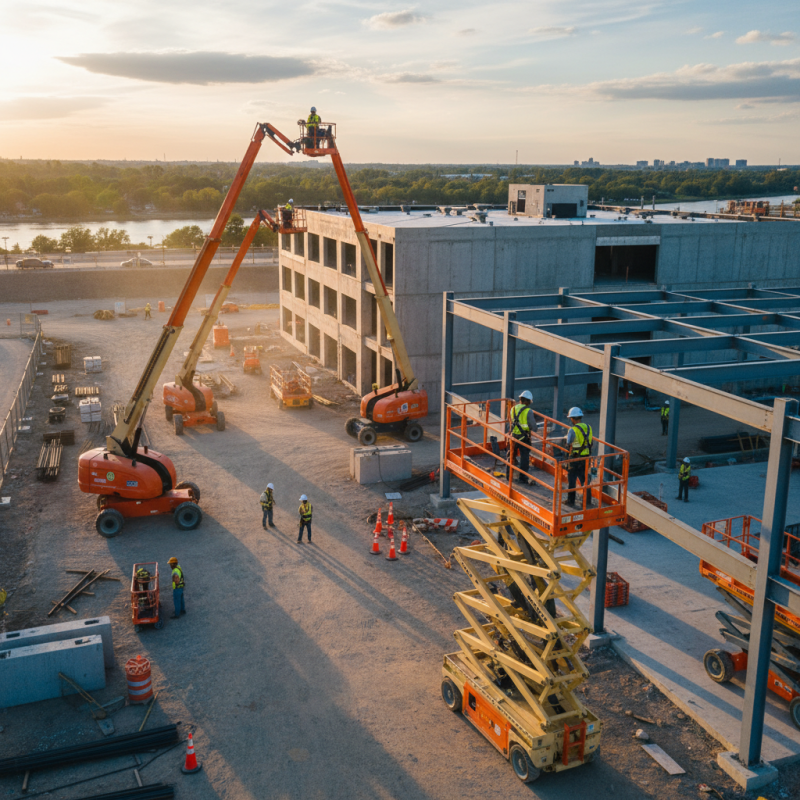
Aerial lifts are essential tools in modern work environments. They provide access to heights safely and efficiently. According to industry reports, the global aerial lift market is projected to grow by 5.6% annually through 2025. This growth highlights the increasing need for safe work practices in construction and maintenance sectors.
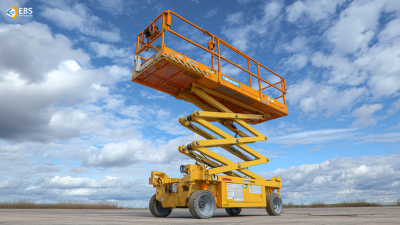
These lifts typically include boom lifts, scissor lifts, and vertical mast lifts. Each type serves a unique purpose. Boom lifts, for example, extend horizontally and vertically, allowing workers to reach distant and elevated areas. Scissor lifts, on the other hand, provide stable platforms for tasks requiring multiple workers. Workplace safety studies indicate that using aerial lifts can reduce on-site accidents by up to 30%.
However, effective training is vital. Operational errors are common. A report from OSHA indicates that improper use of lifts is a leading cause of accidents. Regular inspections and proper maintenance of aerial lifts can mitigate these risks. Workers must be educated about the equipment's limitations and safety protocols. Gathering feedback from operators can also help improve safety practices and reduce incidents. Ensuring everyone understands the equipment fosters a safer working environment.
Key Safety Features to Consider for Aerial Lifts
Aerial lifts are essential for safe and efficient work at heights. When selecting an aerial lift, consider key safety features. These features guarantee protection for workers and help avoid accidents.
One important aspect is guardrails. They provide stability and prevent falls. Ensure the guardrails are up to code and properly installed. Inspect the lift before use. Check for any visible damage or malfunction. A well-maintained lift is crucial for a safe worksite.
Another critical feature is the stability system. This system helps the lift remain grounded during operation. Look for lifts with automatic stabilizers. They adjust the lift’s position based on the terrain. Operating on uneven ground can increase risks without these features.
Tips for using aerial lifts include regular training for operators. Training helps workers understand the equipment. They need to recognize hazards too. Additionally, always wear personal protective equipment (PPE) when operating lifts. Gear like harnesses and helmets can be lifesaving. Take these precautions seriously; they greatly reduce risk on the job.
Top 5 Aerial Lifts for Safe and Efficient Worksites
| Model |
Max Height (ft) |
Weight Capacity (lbs) |
Platform Size (ft) |
Key Safety Features |
| Aerial Lift Model A |
40 |
500 |
3 x 6 |
Emergency Stop, Safety Harness Points |
| Aerial Lift Model B |
35 |
400 |
3 x 5 |
Tilt Protection, Outriggers |
| Aerial Lift Model C |
45 |
600 |
3 x 7 |
Guardrails, Automatic Leveling |
| Aerial Lift Model D |
50 |
700 |
3 x 6 |
Emergency Descent, Load Sensors |
| Aerial Lift Model E |
55 |
800 |
4 x 8 |
Platform Load Indicator, Safety Locks |
Top 5 Recommended Aerial Lifts for Various Work Environments
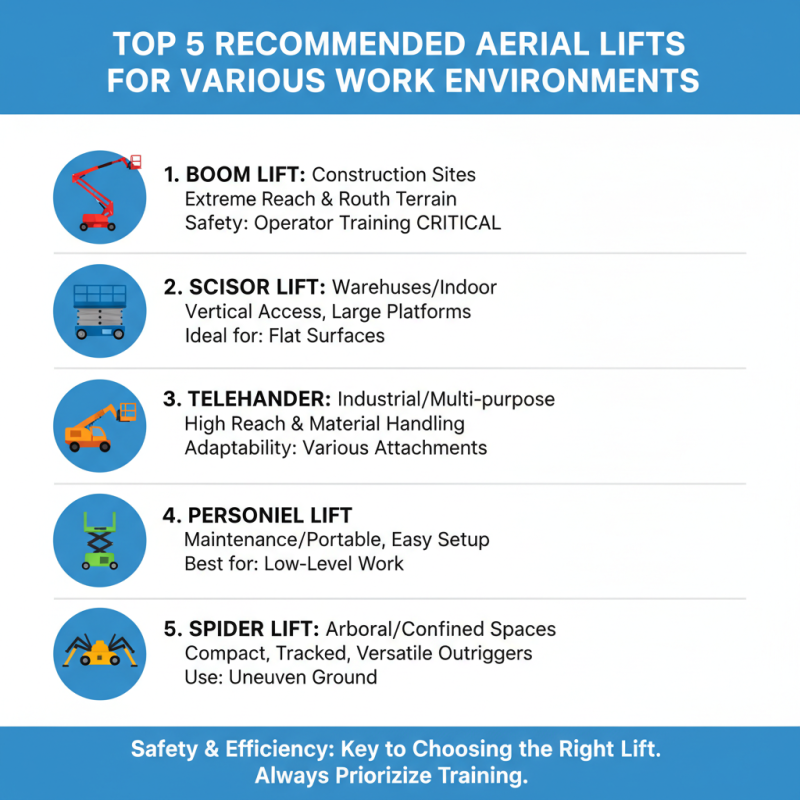
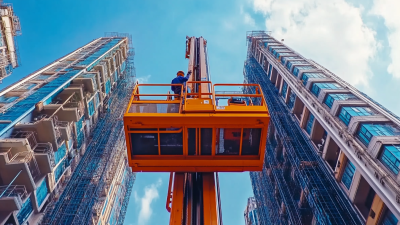
When choosing aerial lifts for work environments, safety and efficiency are critical. Different tasks and settings call for specific features. For construction sites, a boom lift is essential. It provides excellent reach and flexibility. These lifts can navigate rough terrain, making them invaluable for outdoor jobs. Operators should be trained to ensure safe usage because falls remain a leading cause of workplace injuries.
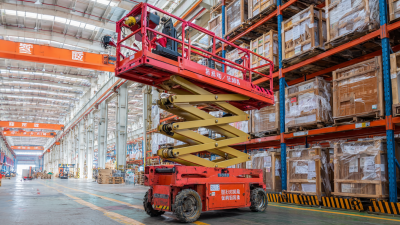
In warehouses, scissor lifts dominate the scene. Their stable base and ability to work at various heights enhance productivity. However, choosing the right capacity is crucial. Overloading can lead to accidents. Regular maintenance checks can mitigate risks. Inspecting components like hydraulic systems is vital before every use.
Using aerial lifts in urban areas poses unique challenges. Compact models are helpful where space is limited. These types allow for easy maneuvering among tight structures. Yet, operators must remain vigilant. Environmental factors such as wind or rain can affect stability. Understanding the worksite's conditions can lead to better decision-making and safer outcomes.
Comparative Analysis of Aerial Lift Operational Efficiencies
When assessing aerial lifts for operational efficiencies, various factors play a significant role. Different models yield different results, depending on their lifting capacity, reach, and maneuverability.
High-capacity models tend to perform well in large areas, but they can be cumbersome in tight spots. This raises the question: Is higher capacity always better? A lift designed for versatility might outperform a larger lift in many scenarios.
In terms of safety features, many modern aerial lifts offer advanced technology such as tilt sensors and automatic brakes. These features enhance user confidence and reduce the likelihood of accidents. However, the effectiveness of these systems can be compromised by operator training and experience. A lift with top-notch safety features might not reach its potential if the operator lacks proper training.
Efficiency also includes fuel consumption and maintenance costs. Some lifts have lower operational costs due to electric engines, yet they may lack power in rugged terrain. If tasked with heavy-duty jobs, these lifts may require extra support. Regular maintenance is key, but can stress team resources.
Thus, choosing the right aerial lift involves carefully weighing these variables against the specific requirements of a worksite. Balancing capacity, safety, and efficiency is an ongoing reflection for many operators.
Maintenance Tips for Ensuring Safe Aerial Lift Performance
Aerial lifts play a crucial role in various industries, enhancing safety and efficiency at worksites. However, ensuring their optimal performance requires regular maintenance. Adopting the right maintenance strategies can prevent accidents and extend the lifespan of the equipment.
Perform regular inspections. Check for leaks, wear, and tear on hydraulic systems. Look at the platform and guardrails for damage. These small details can significantly affect safety. Implement daily checks to catch issues early. Train your team on detecting malfunctions. Knowledge is power when it comes to safety.
Maintaining proper fluid levels is vital. Hydraulic fluid should be at the recommended level for safe operation. Use the correct type of fluid as specified by the manufacturer. Faulty levels can lead to equipment failure. Conduct routine fluid changes as part of your maintenance plan. It’s easy to overlook, but doing so can save lives.
Store aerial lifts properly. Keep them in a dry, sheltered area to prevent moisture damage. Extreme temperatures can affect performance and battery life. Consider environmental factors when determining storage. Neglecting this can lead to equipment degradation over time. Reflecting on maintenance routines regularly can help identify areas for improvement.
Top 5 Aerial Lifts for Safe and Efficient Worksites
The following chart illustrates the maximum working height and load capacity of the top 5 aerial lifts, highlighting their suitability for various tasks in worksite safety and efficiency.